 36:53

A first-time kestrel dad meets his match
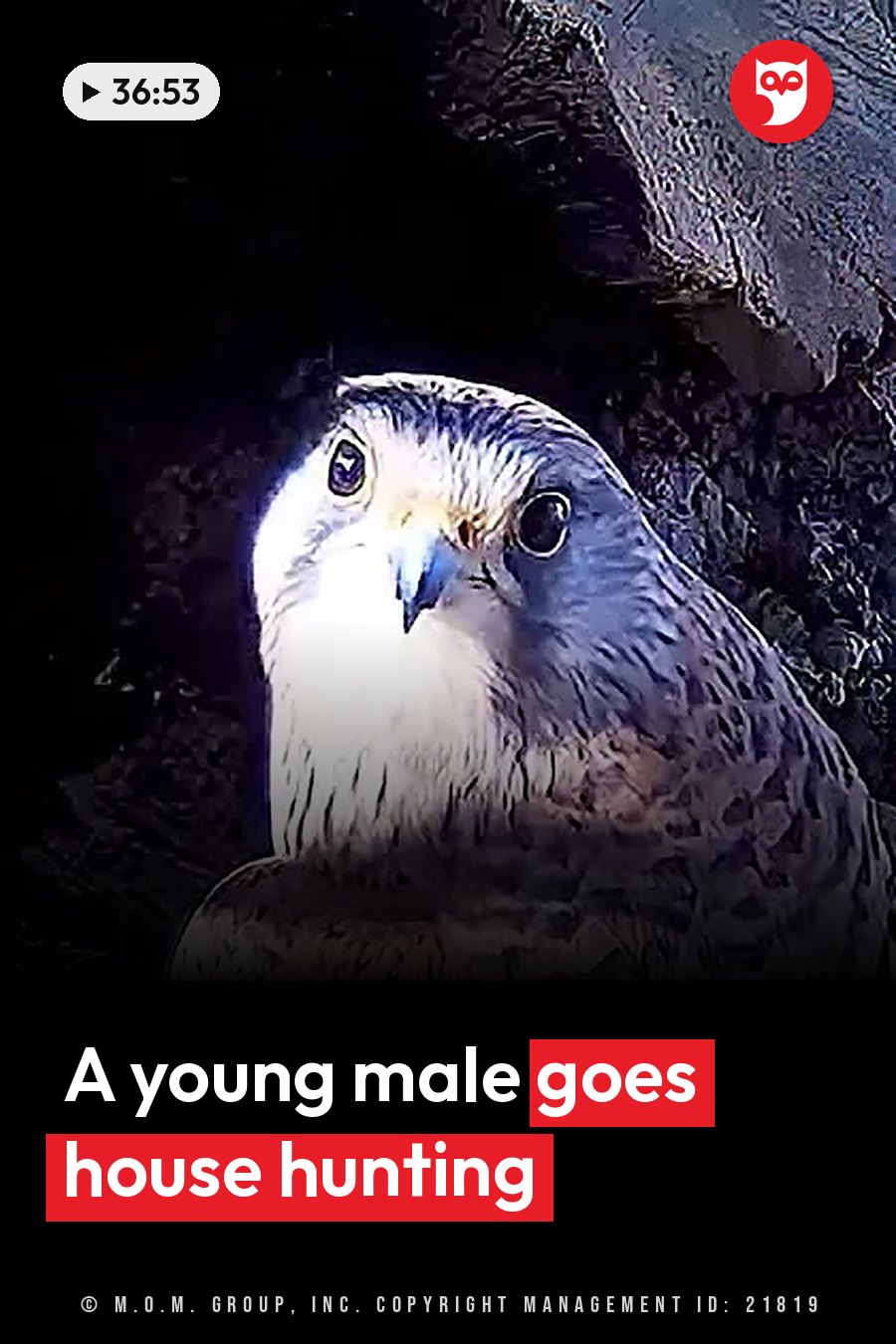
Mid-April brings a new male kestrel to the ashwood. Robert E Fuller names him Apollo, and Apollo has a problem. He has a territory but no mate. more
He sits in a nest entrance and calls until a female answers. Then the plan falls apart. A barn owl has moved into that nest while he was out, so the young kestrel goes looking for another home. He tries nest sites nearby and farther off, and some of the birds already living there are not pleased.
 Save
Robert, who helps wild birds around Thixendale in North Yorkshire, builds a new nest. It draws jackdaws, stock doves and even a tawny owl before Apollo claims it. The young female he has been courting won't come inside, and she leaves. The next morning he is back anyway, scraping a shallow dip where eggs could go.
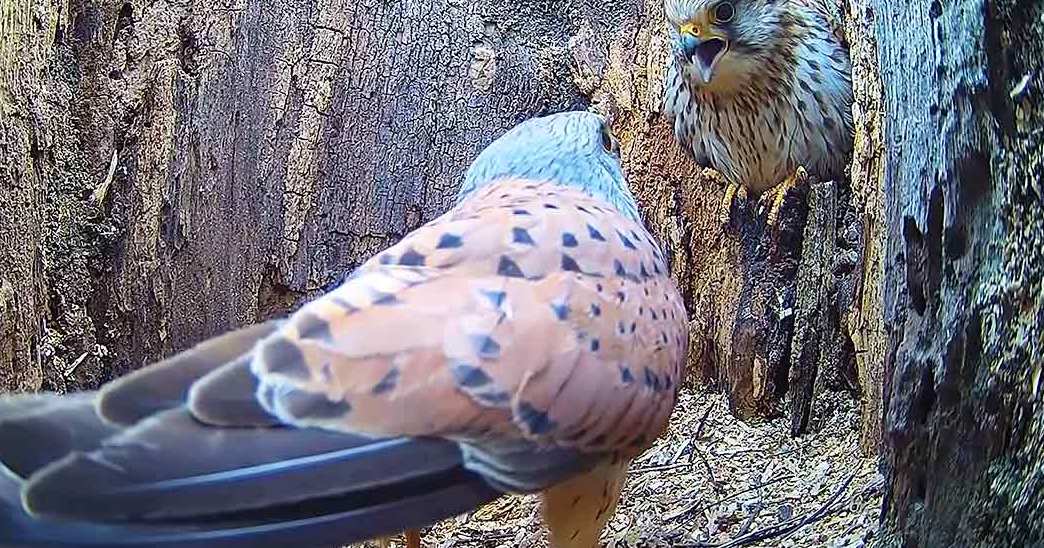
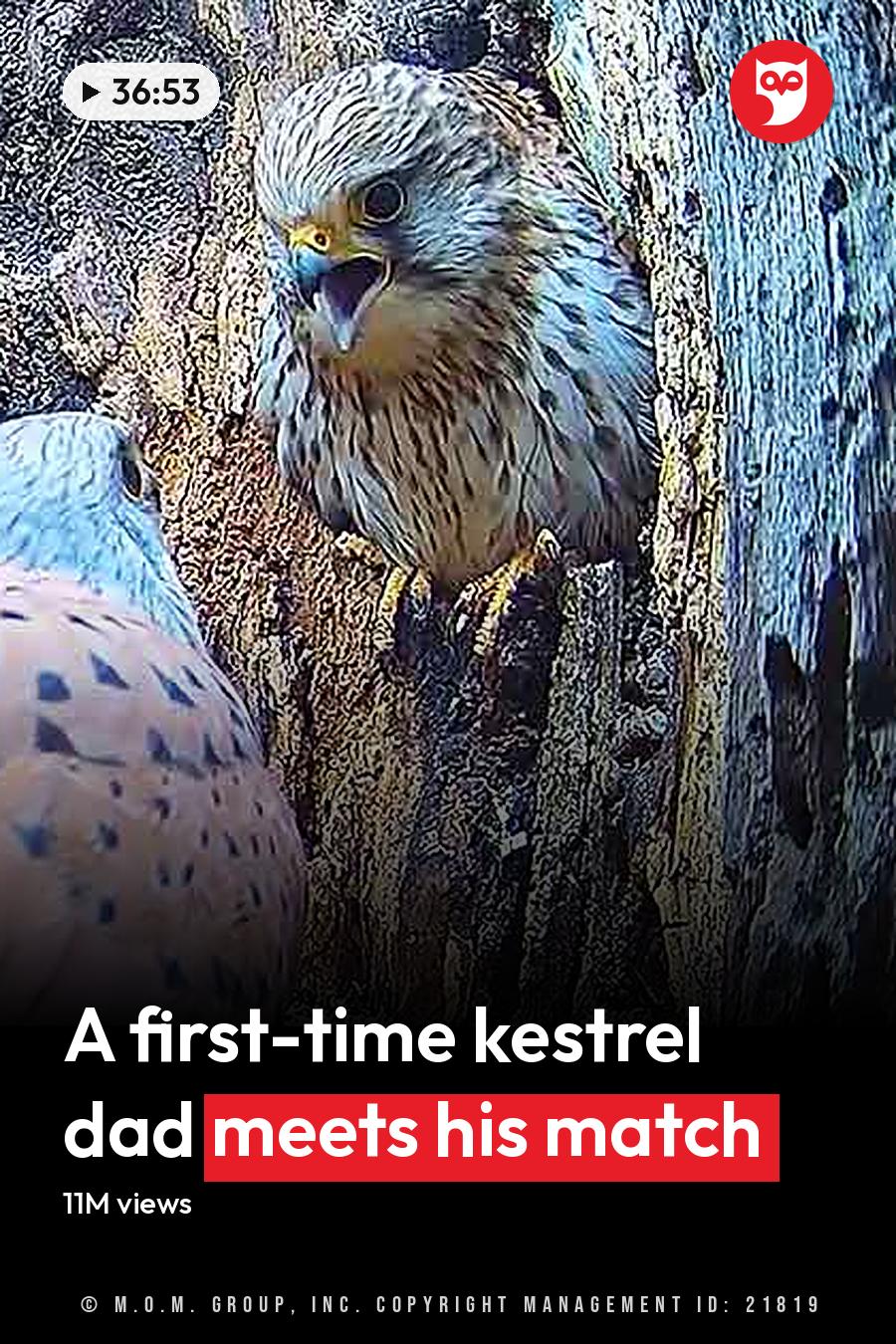
The work pays off. A new female arrives, and Apollo can barely contain himself. He bows up and down to greet her. Her slightly gray tail tells Robert she is at least three years old. This is Athena, and she's in no hurry. She looks him over, flies off and comes back two hours later. When he brings her a vole, she takes it.
Athena is older and more experienced, and she's tough. When a tawny owl comes by at nightfall, she lashes out with her talons and loses her footing. It doesn't put her off. She also makes sure Apollo knows his job. When the food he brings falls short, she calls at him furiously and blocks the exit. He looks stressed until she lets him go, and he soon comes back with a vole.
By mid-May she lays her first egg overnight. In the morning Apollo comes in to see his mate and finds the egg instead, then settles down to guard it. The second egg comes two days later and the third in under five minutes. When Apollo spots the new one, "it's almost as if he's trying to count them," Robert says. Two more follow, five in all.
Sharing the sitting doesn't go smoothly. Athena calls at Apollo to swap shifts, then stands in the doorway so he can't get out. "Apollo just can't win," Robert says. When she finally slides in to brood, Apollo slips away and seems to breathe a sigh of relief.
She guards the door against bigger trouble, too. Days before the hatch, a barn owl jumps inside, and Athena fans her wings to block it, then rushes the entrance until it leaves. Thirty-three days after the first egg, a chick cracks out, cheeping quietly. A few hours later Apollo comes in, sees his chick for the first time and does a double take. The chick weighs only 16 grams and has a lot of growing to do.
 Save
Being a new dad takes practice. Apollo tries to brood the second hatchling but doesn't seem to know how. Athena comes back with food and sends him out to hunt, since it's her job to feed the chicks and keep them warm. By the third chick they have a rhythm, and when she leaves to stretch her wings, he takes over right on cue.
The spring is cold and dry, with few rodents to catch, and Athena joins the hunt. Only three chicks survive, and Robert drops extra food into the nest to see them through. When they finally fly, they go with real ferocity. The nervous bachelor from April has raised a family.