 14:01

A macaw bite eight times stronger than yours
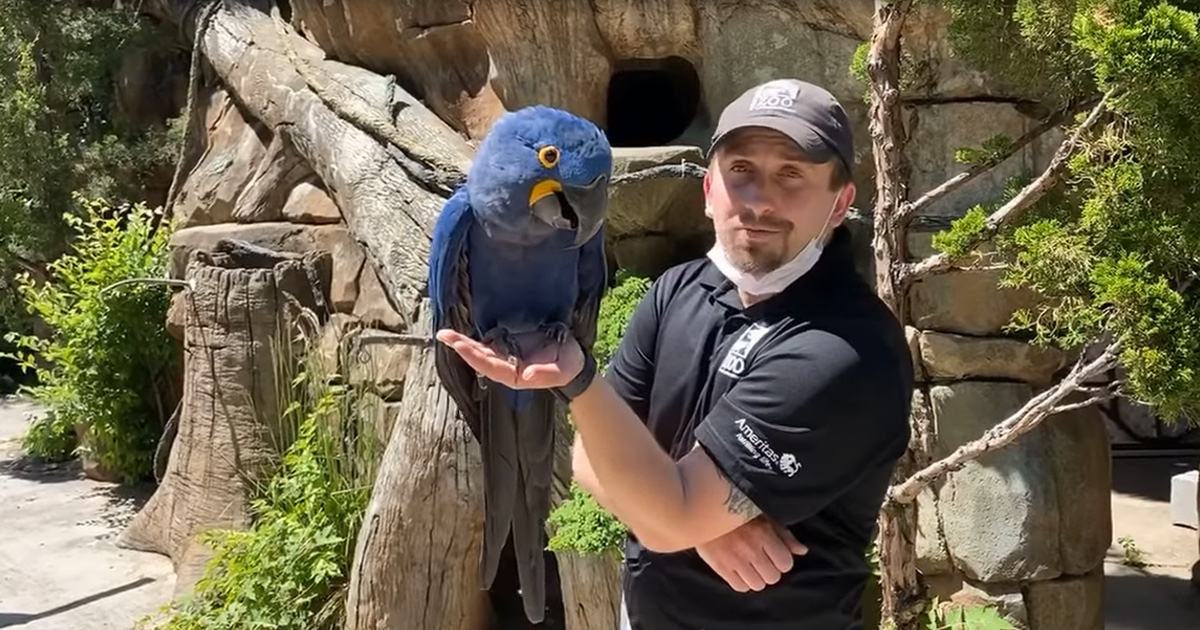
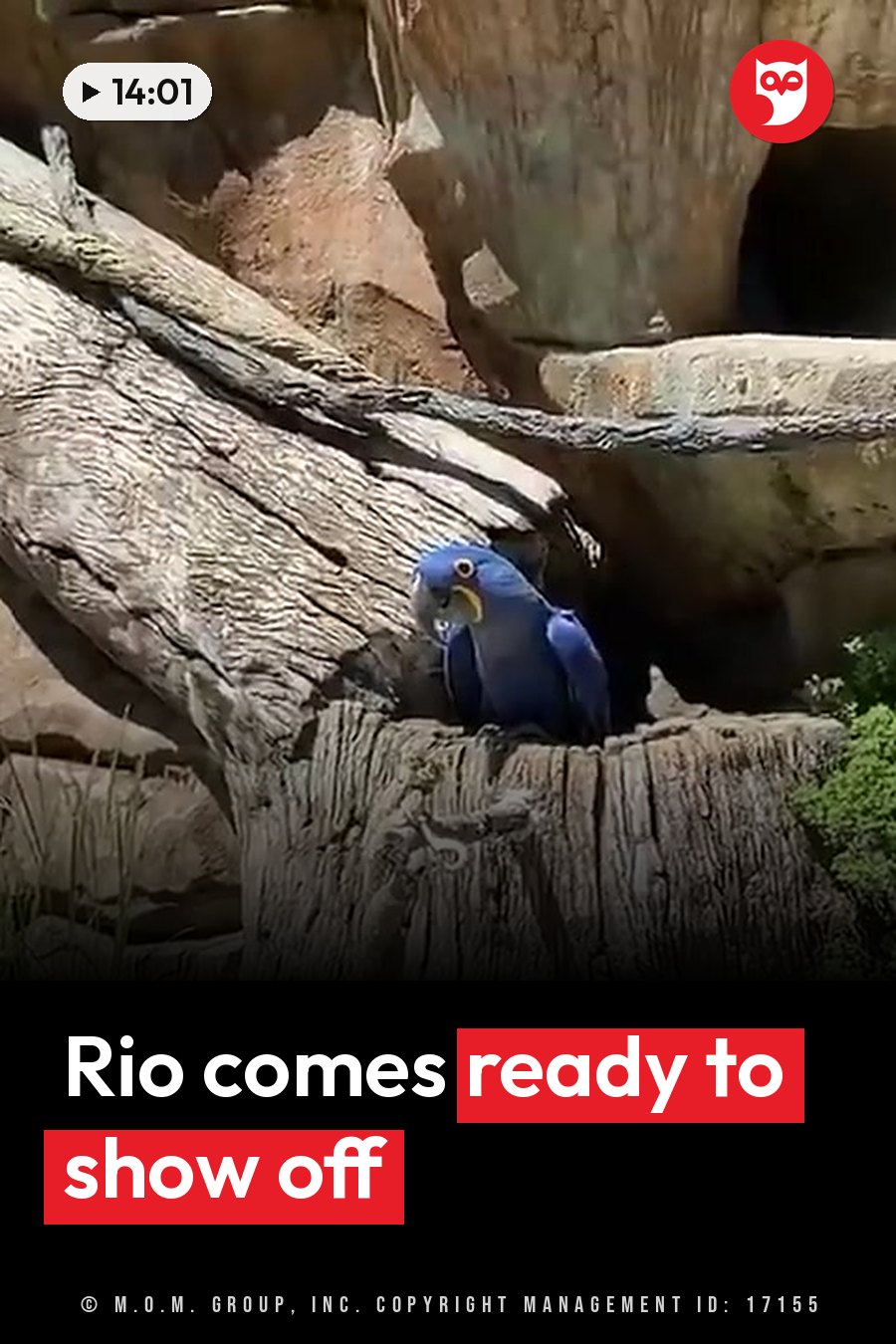
Rio is a hyacinth macaw, the biggest parrot in the world that can fly, and a star of the bird show at the Cincinnati Zoo. He has plenty to show off. more
His trainer, Dustin, works with him at the zoo's Wings of Wonder bird show. Rio already has something tucked in his beak when Dustin starts the tour.
 Save
First, the feet. Rio has two toes that point forward and two that point back, so he can use his feet a bit like hands. He climbs all the way down a long rope, the way a wild macaw in Brazil climbs trees and vines to reach fruit, nuts and seeds. When he eats, he brings the food up to his mouth, which lets a prey animal keep watch for danger while he chews.
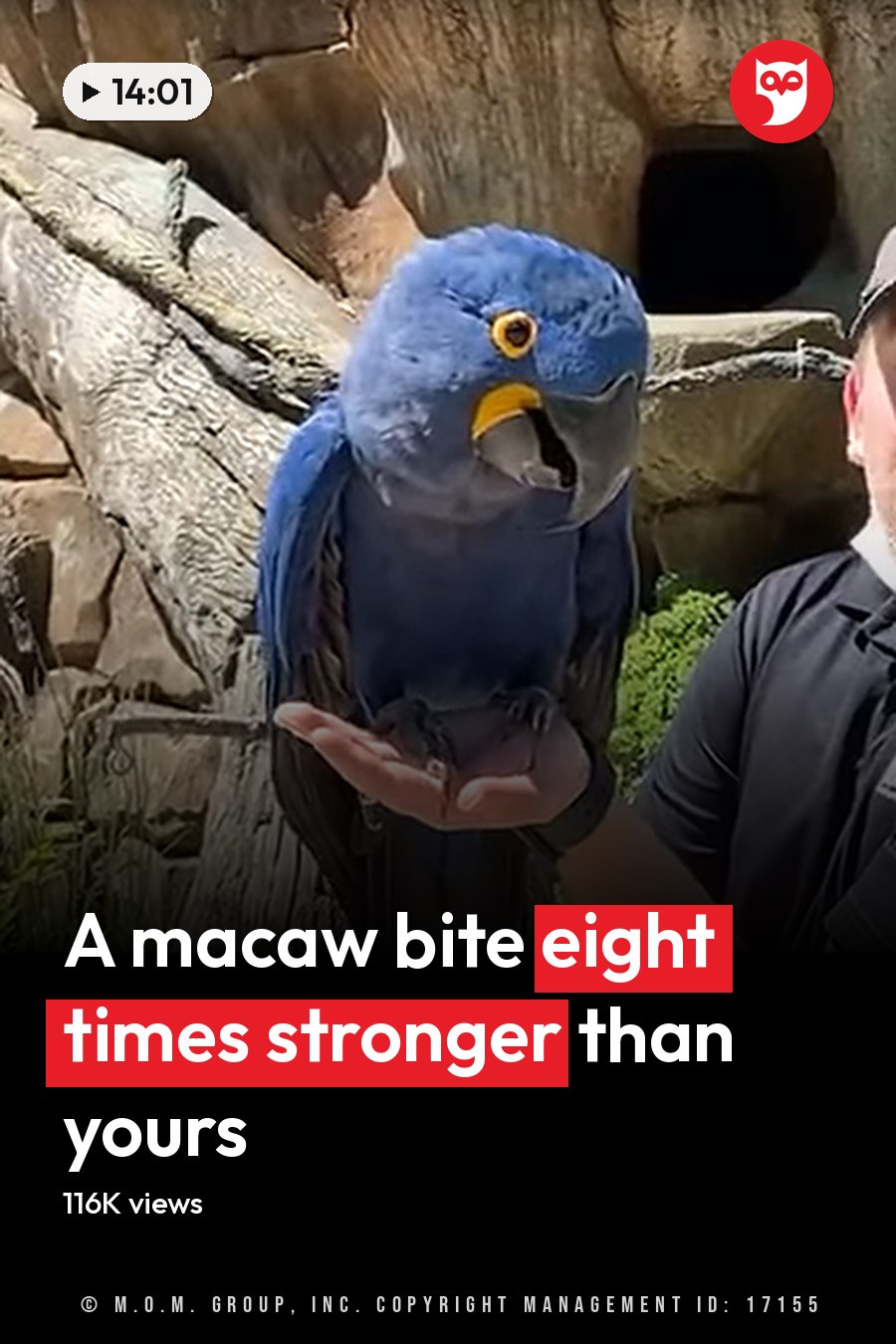
Then he goes to work on the almond Dustin gave him. Rio has the largest beak in the parrot world, and the strongest. It presses down with 1,200 pounds per square inch, enough for the hardest rainforest nuts, like macadamias, and even coconut shells. A human bite is about 150, so his is eight times as strong.
 Save
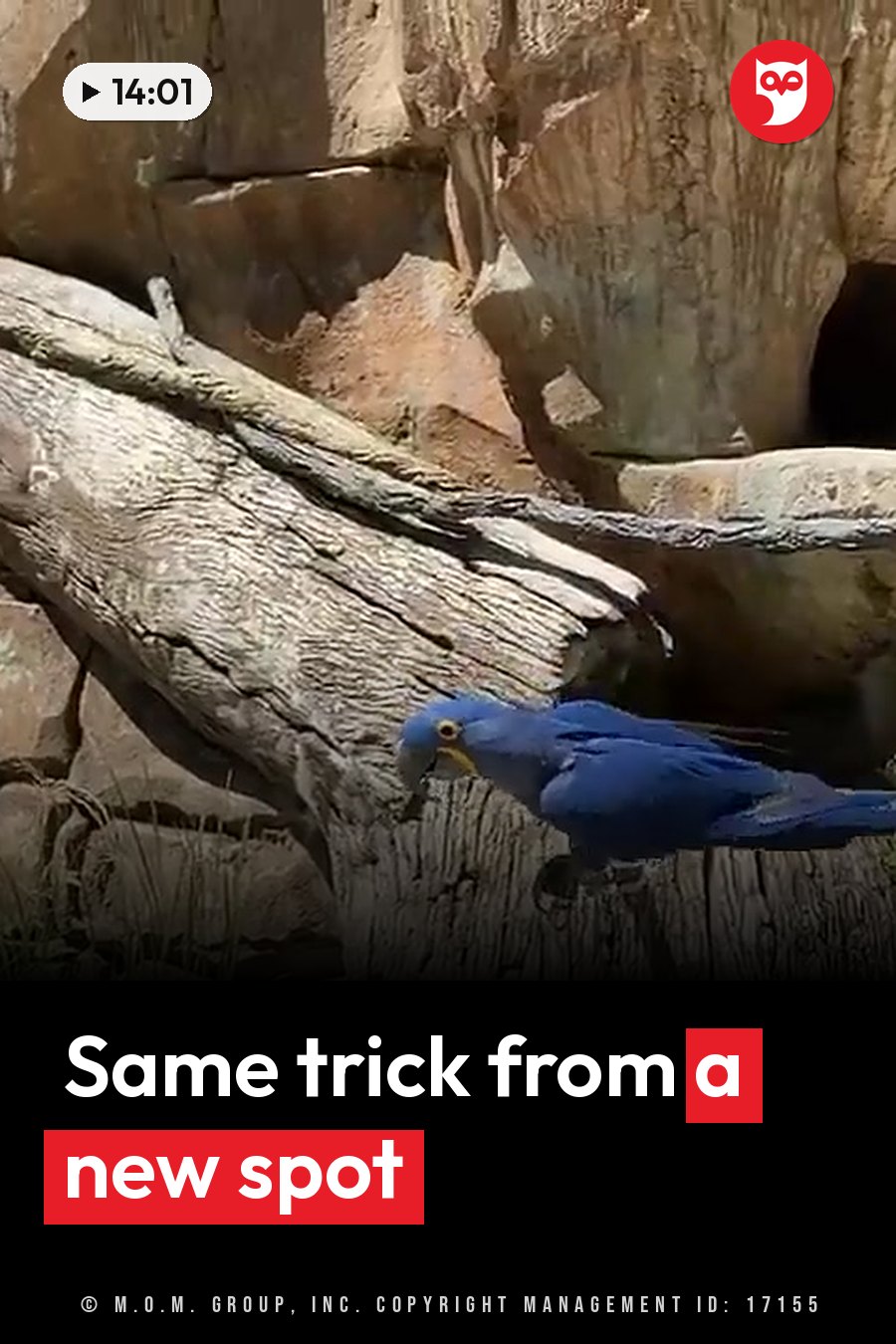
Next, Dustin tries something new. Rio usually pulls up a rope from one spot, so Dustin asks him to fly over and try it from another, and he does. He hauls the rope up toward his mouth because that is easier, a sign of how smart he is. Parrots can be as clever as a toddler of two to four, Dustin says.
 Save
For all that strength, Rio is light. Dustin weighed him that morning at 1,300 grams, a little under three pounds, which makes him lighter than the average human brain. Rio was born at the Cincinnati Zoo and is 18 and a half. “If he was a human, he’d be graduating high school right about now,” Dustin says, and since macaws can live to 50 or 60, Rio is still young.
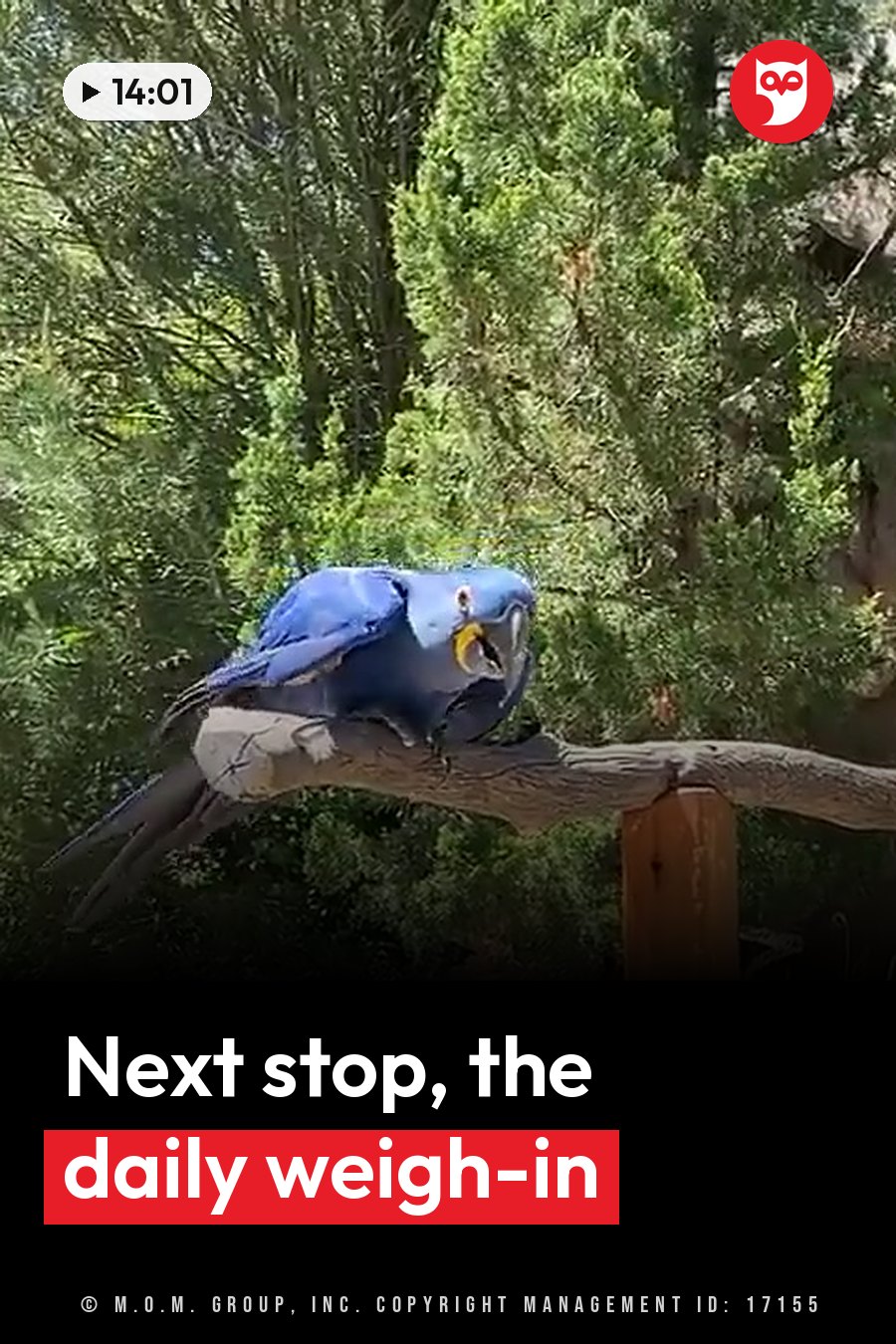
Rio is busy with a pecan on a lovely day in Avondale when the questions start. Neil wants to know if Rio can sing. Big parrots squawk more than they talk, and Rio will say hello and hi, but he's shy about it and saves that for home. When Lisa Marie asks how they weigh him, Dustin explains that Rio steps up onto his hand and then onto a scale with a little T-shaped perch on top.
 Save
Walker, age nine, asks how many bones Rio has, and that one beats Dustin. “You’ve got to stump the researcher on that one,” he says. What he does know is that birds that fly have hollow, spongy bones, which is why Rio weighs so little for his size. Penguins, ostriches and emus do not.
Courtney asks if birds like Rio are endangered. Hyacinth macaws are listed as vulnerable. Toco toucans steal their eggs, but much of the trouble comes from lost forest and the illegal pet trade. Buying sustainable palm oil is one way to help.
Liam wants to know if they make good pets. Dustin works with Rio every day, and he would never take him home. Macaws are loud, need lots of attention and cost a lot to feed, and the bird show keeps four full-time staff for its eight parrots. They are messy too, and Rio has just flung his nutshells all over the place, which rather proves the point.