 1:31

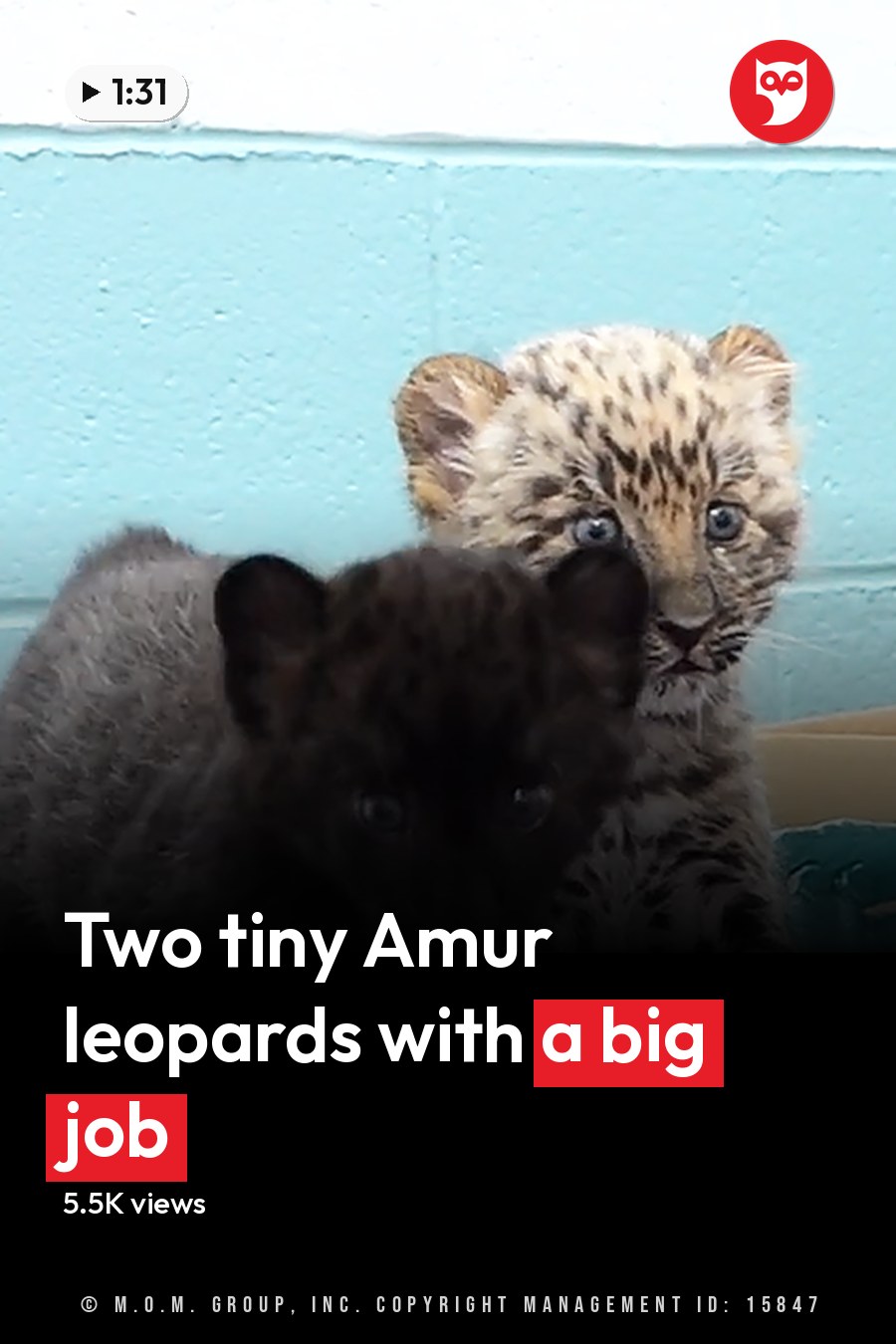
Two tiny Amur leopards with a big job
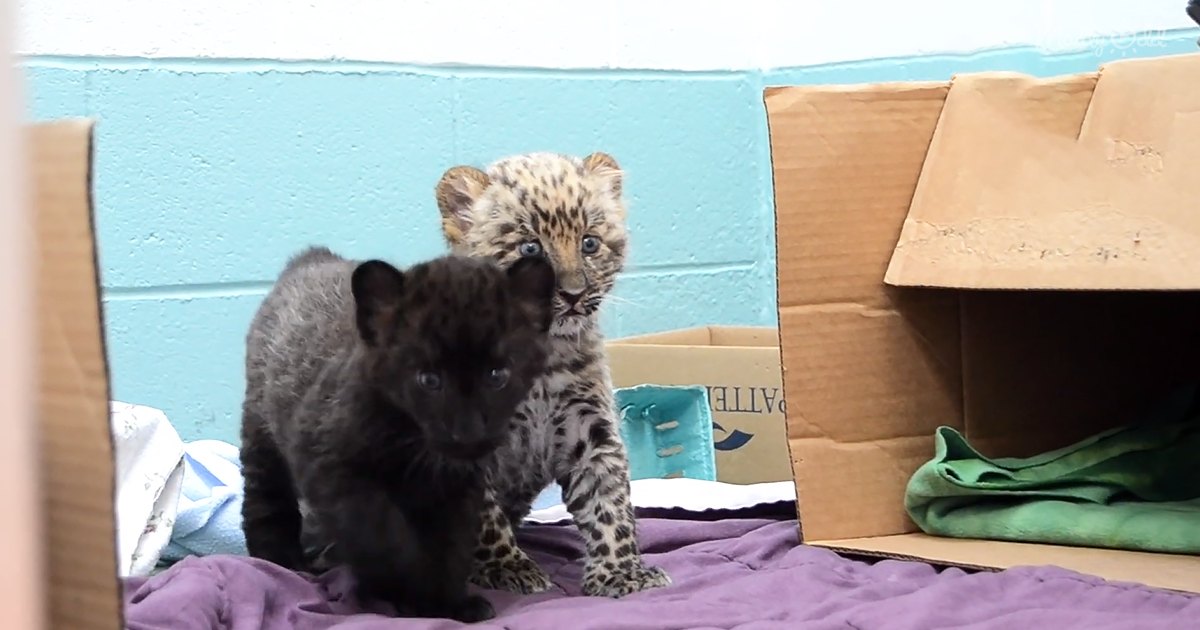
Two Amur leopard cubs were born at the Beardsley Zoo in Connecticut. For now, their whole world is one room with cardboard boxes in it. more
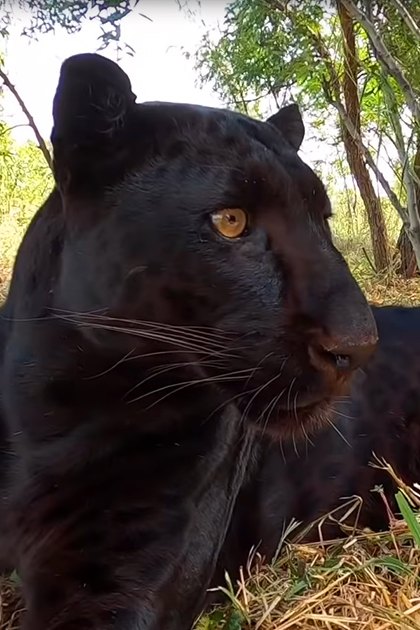
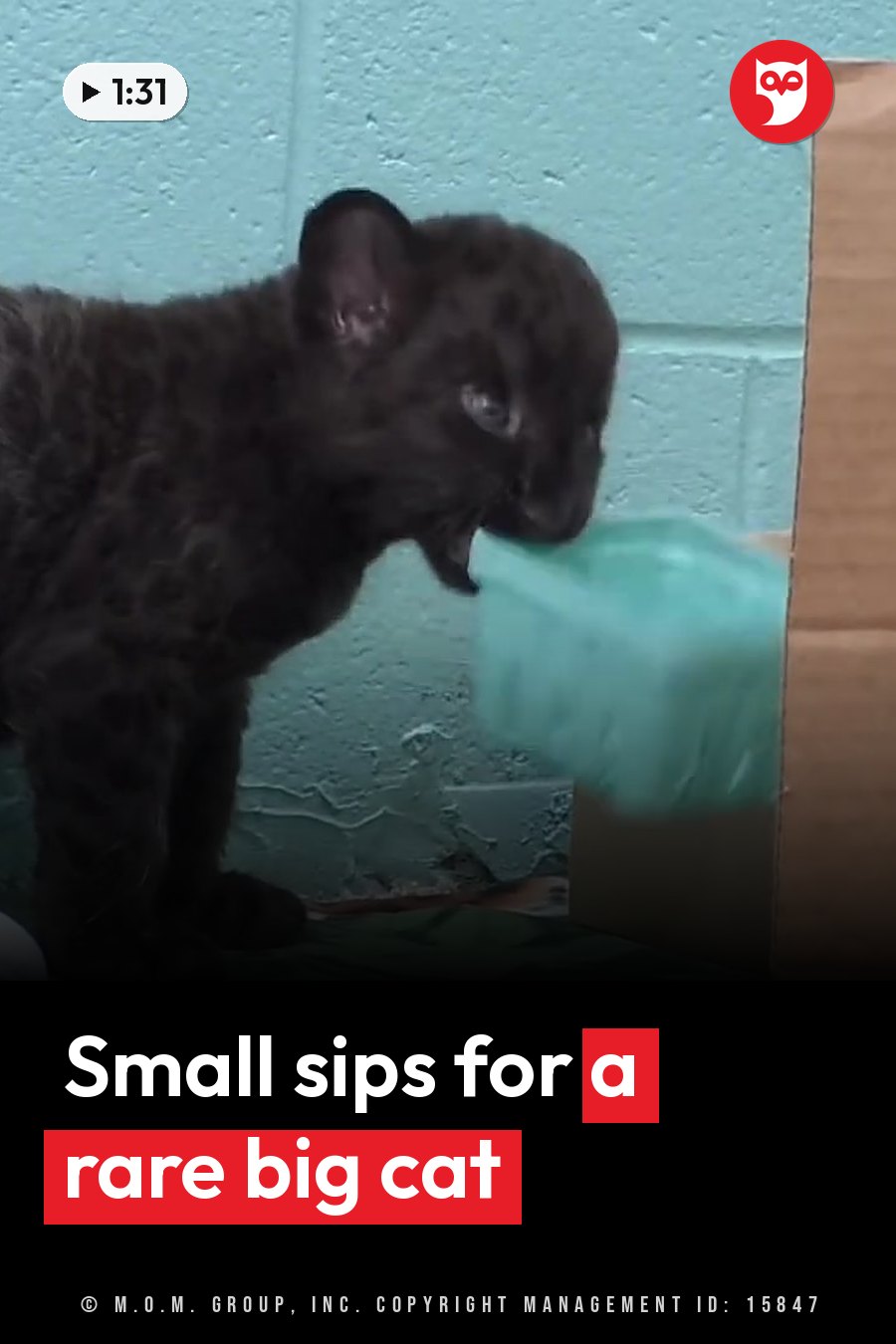
They have thick, dark coats with lighter spots, and at this size they pass for house kittens. The coats are so dark that at least one viewer took them for black leopards. One cub stoops over a green plastic dish by a cardboard box and drinks, as plain a cat moment as there is.
 Save
Their kind has far less room than it once did. Amur leopards used to range from South Korea all the way up to the east coast of Russia. At one point, an estimate put the number left in the wild at just 19 to 26, in southeastern Russia and northeastern China. Many of the rest live in zoo breeding programs.
 Save
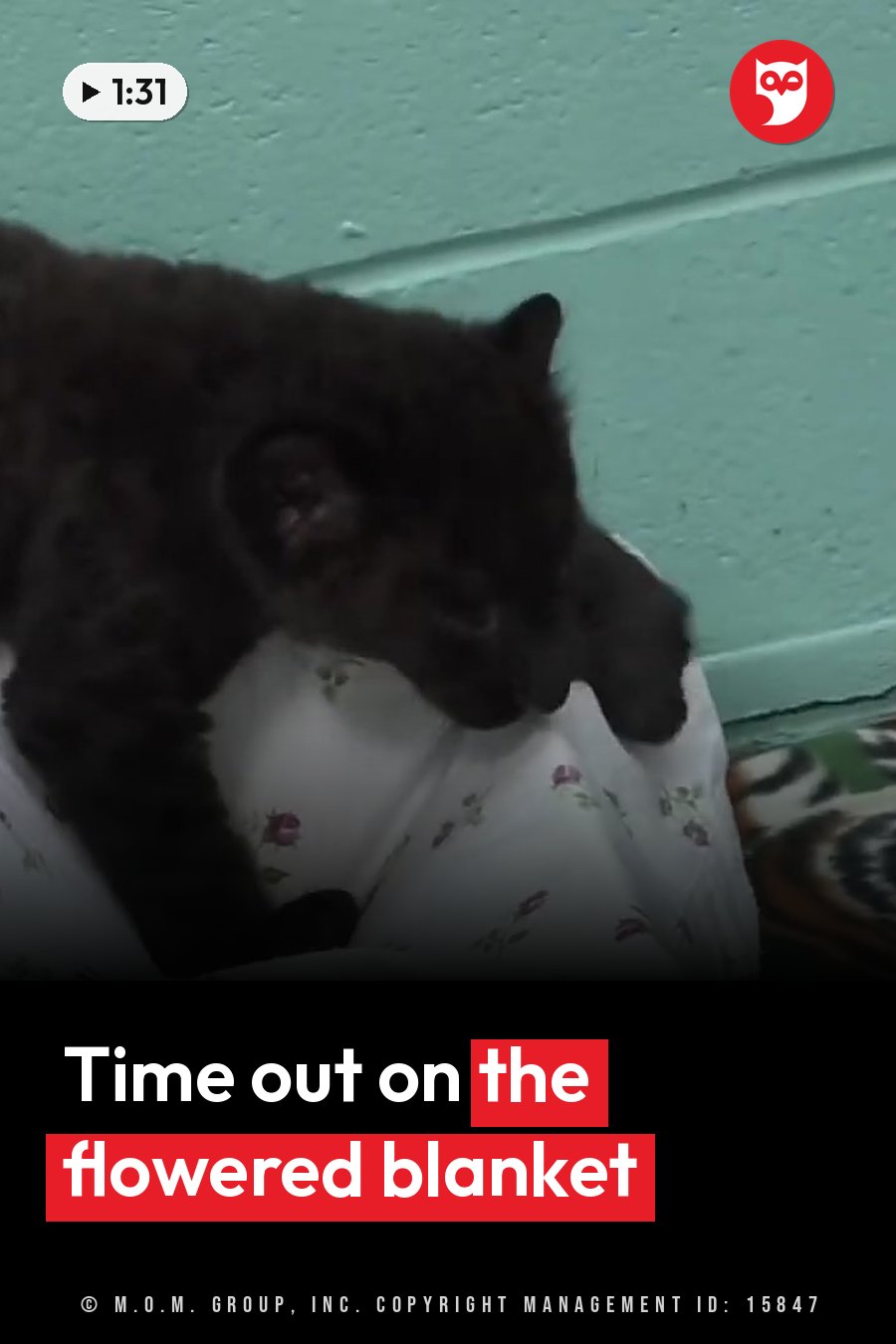
Nobody has told the cubs any of this. They play in their room, and later one of them sprawls on a flowered blanket by a green wall and stays put.
 Save
The hope is that cubs like these will grow up and help rebuild their species, so that scientists might one day release new Amur leopards into the wild. That's a long way off. First, there's a lot of kittening to do.