 6:04

Ian McKellen on coming out at 49
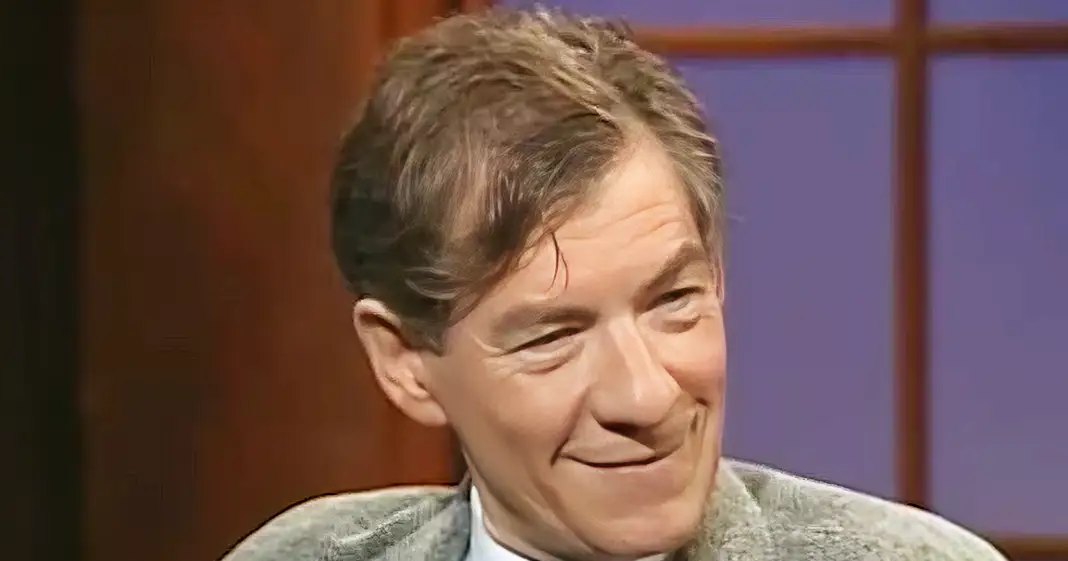
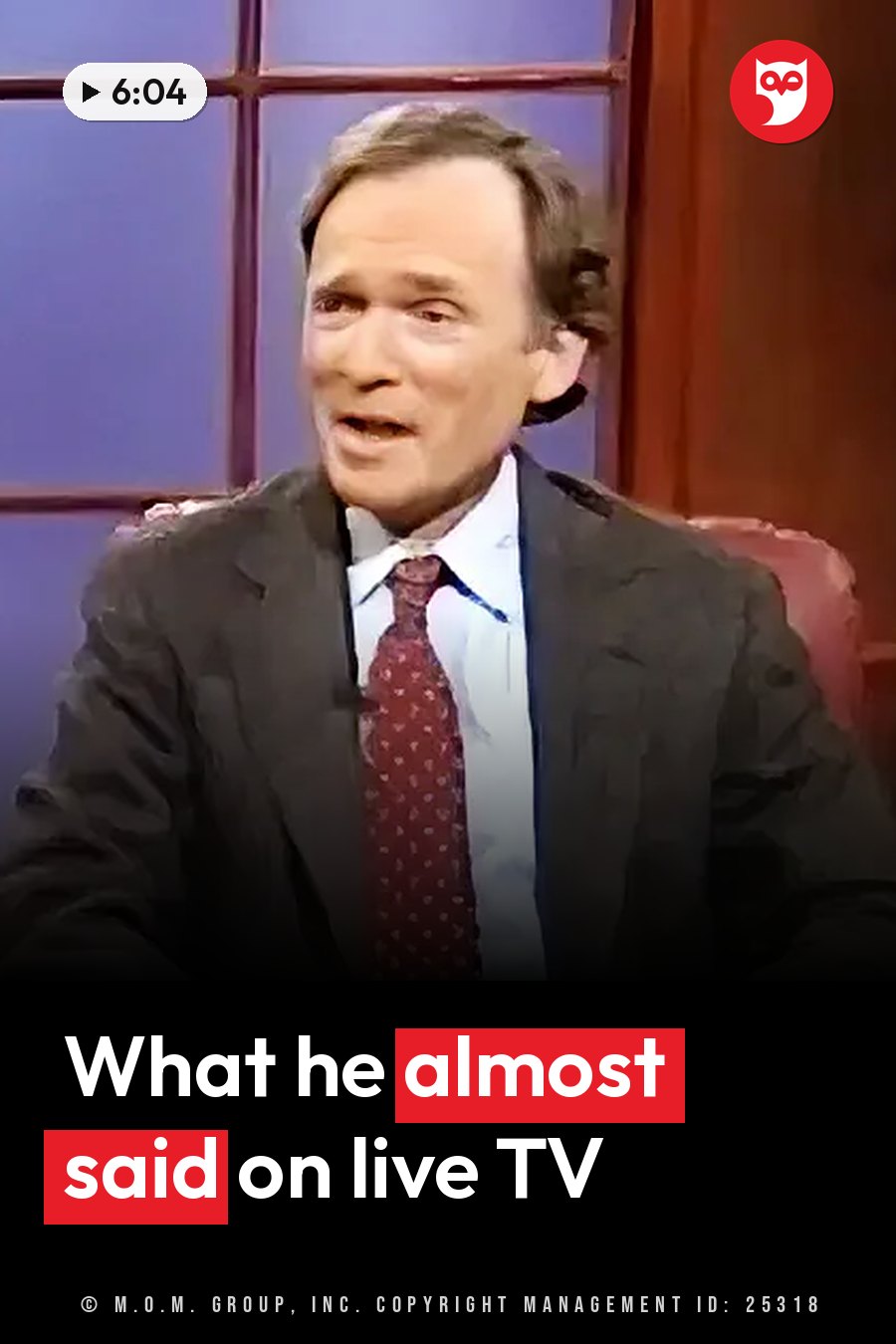
Dick Cavett asks Ian McKellen if he likes going on live TV. "Yes," McKellen says, "because on occasion you can say something that you really want to say and they can't stop you." more
This is a younger McKellen, the actor fans now know as Gandalf, and Cavett calls him Sir Ian. On one live broadcast, though, he held his tongue. He had thought about speaking up "with my gay activist hat on."
 Save
The reason was Alec Baldwin, one of the presenters. The day before, a carriage driver in New York had yelled an insult at him, and Baldwin had yelled an anti-gay slur right back. Cavett pushes back on McKellen, borrowing a defense he heard from Howard Stern on the radio. The word, he argues, does not have to be taken literally.
McKellen doesn't let it go. Someone who uses that word in anger, he says, gives something away about himself, and he puts it plainly: he's gay, and being called that word doesn't bother him. When Cavett says "you're not a Nancy boy," McKellen answers, "Certainly am, yes," and the teasing goes far enough that Cavett protests, "Now wait a minute, Buster." Viewers are split on how Cavett handles all this.
 Save
Cavett has a story of his own. At an event at the Waldorf a lady came up and thanked him "for your courage in coming out of the closet," and someone beside her looked startled. His closet was depression, which he had talked about at a convention, then on Good Morning America and in People magazine, and whenever a famous person admits to "this ghastly disease," he says, it saves lives. After all the benefits he has done, he calls himself "an honorary gay."
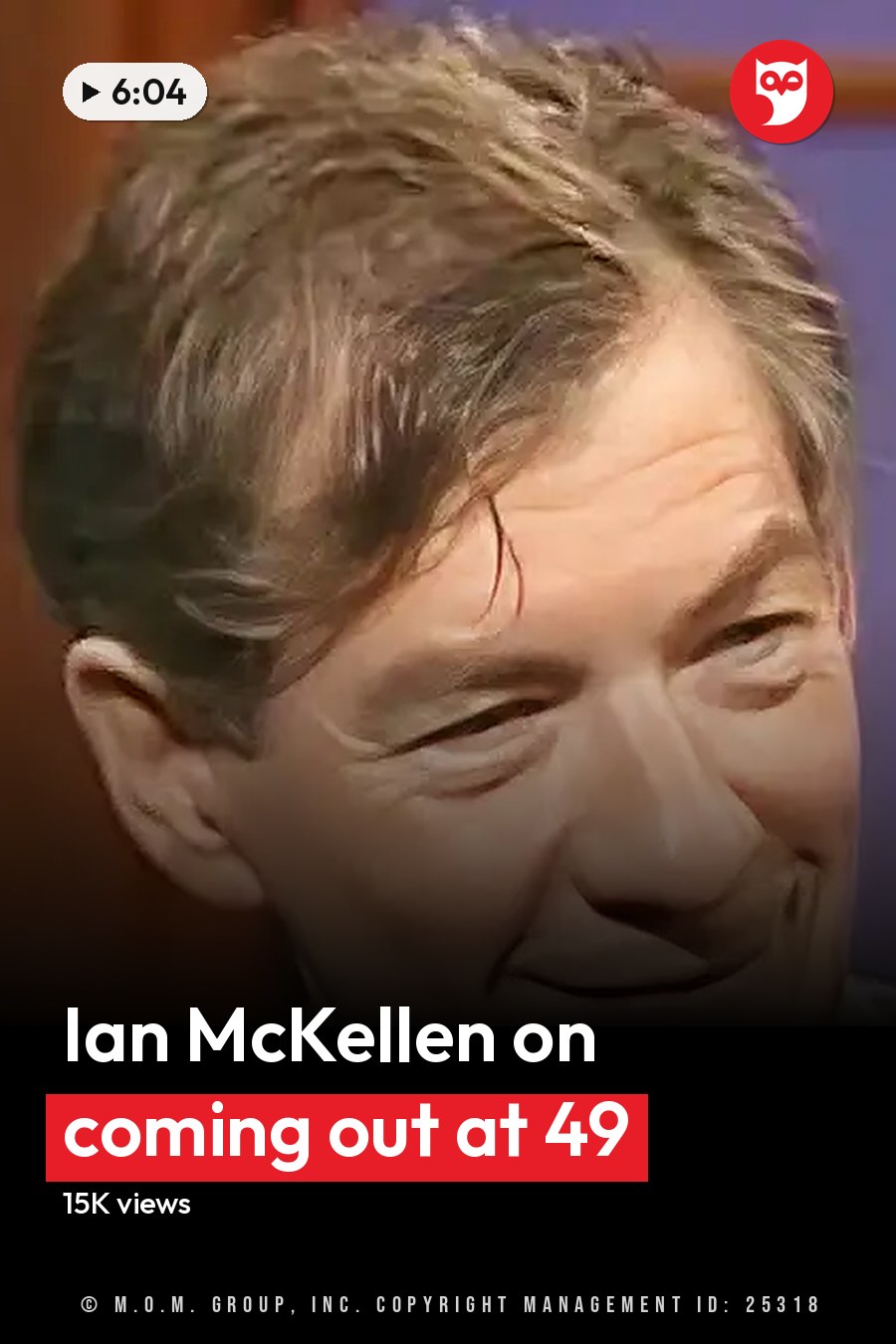
Then Cavett gets to the real question. He asks how McKellen picked the moment to go public, since he must have thought about it for years. McKellen isn't so sure he had, and that's the surprising part. "It took me until I was 49 to actually complete the process of coming out," he says, a process that begins the day you realize you are gay, which for him was before his teens.
 Save
For a long time he saw no reason to tell the press, since all his friends already knew. But staying quiet means not being honest, he says. When you can't talk about yourself or introduce the world to the person you love, it's not good for the relationship or for you.
Once you have done it yourself, he says, you see why it matters to everyone else. Just like Cavett speaking up about depression, McKellen coming out "gives comfort to people who can't come out," people who could lose their jobs, the respect of their families, or even the roof over their heads. What he does despise is people who drag others out of the closet. Coming out, the two men agree, should be something you do yourself.