 28:46

Orphan elephants taste their teddy bears
Teddy bears don't usually turn up in the African bush. So when a herd of rescued elephants comes across some while looking for food, nobody rushes in. more
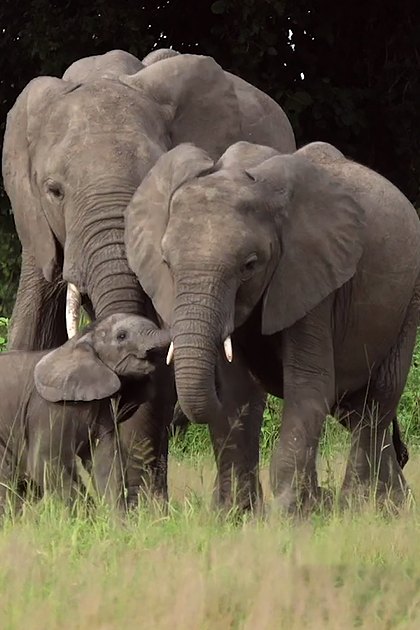
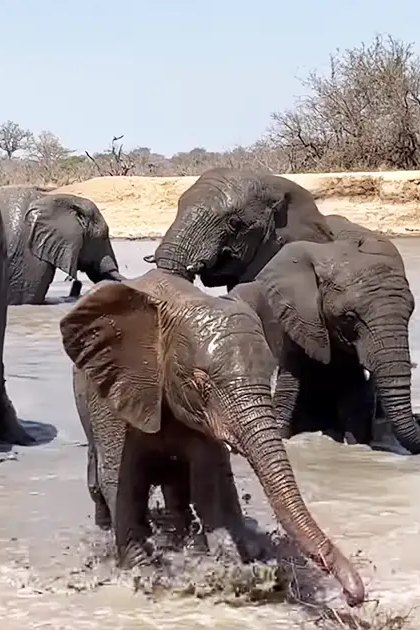
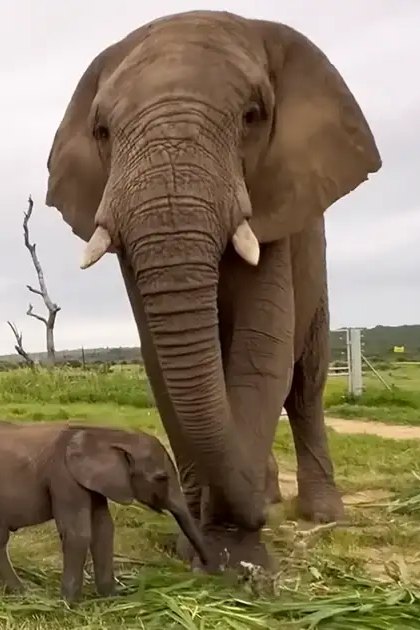
The toys are there on purpose. Chloe Caister, a university student in South Africa, is studying whether elephants have personalities for her master's project. She works with the Jabulani Herd, a group of rescued elephants, and films them so she can study how each one reacts to something new.
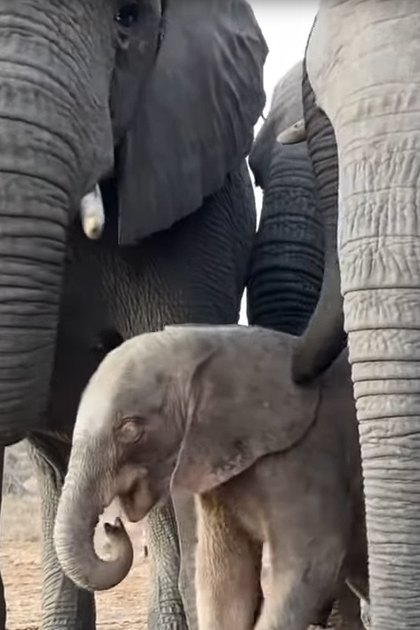
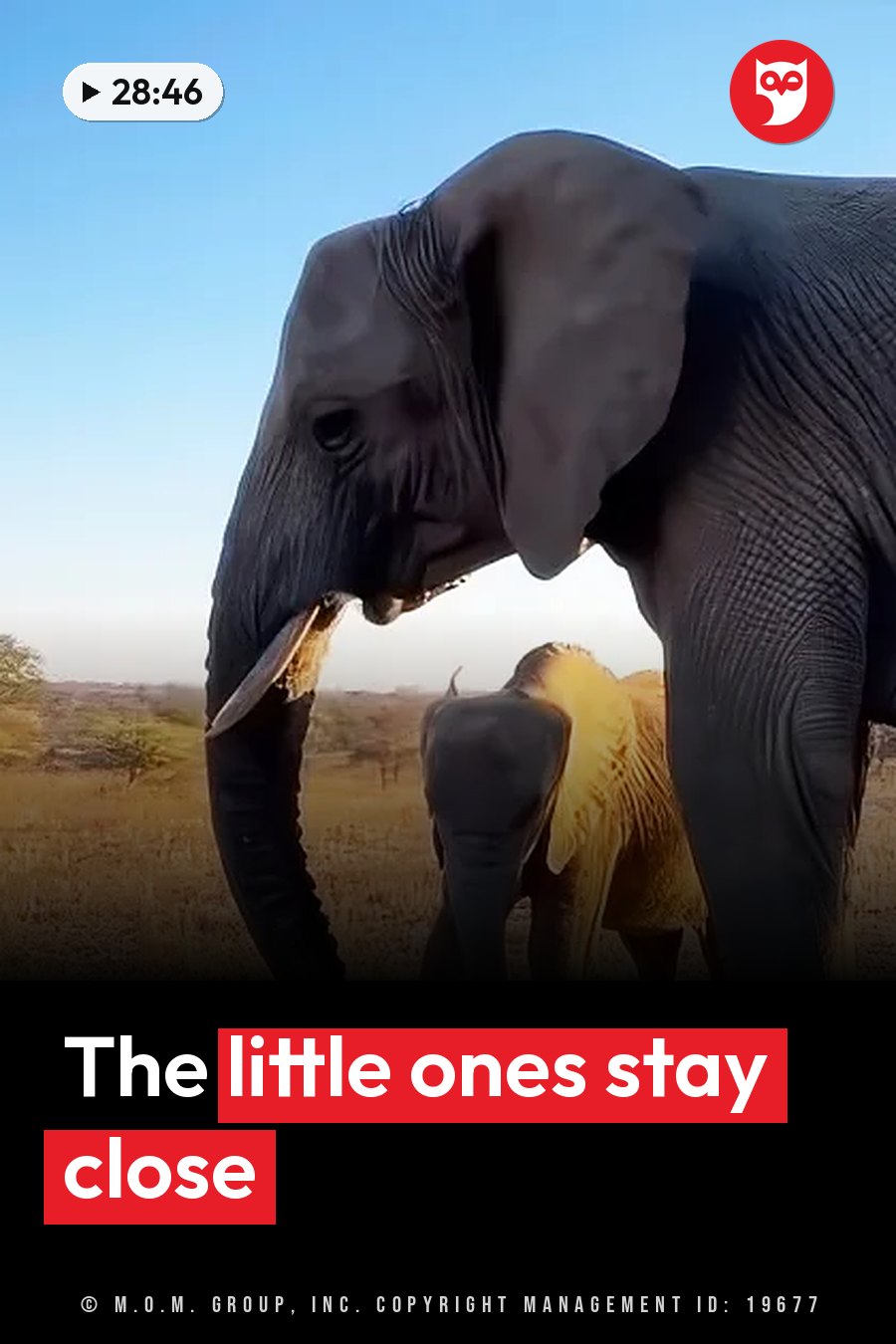
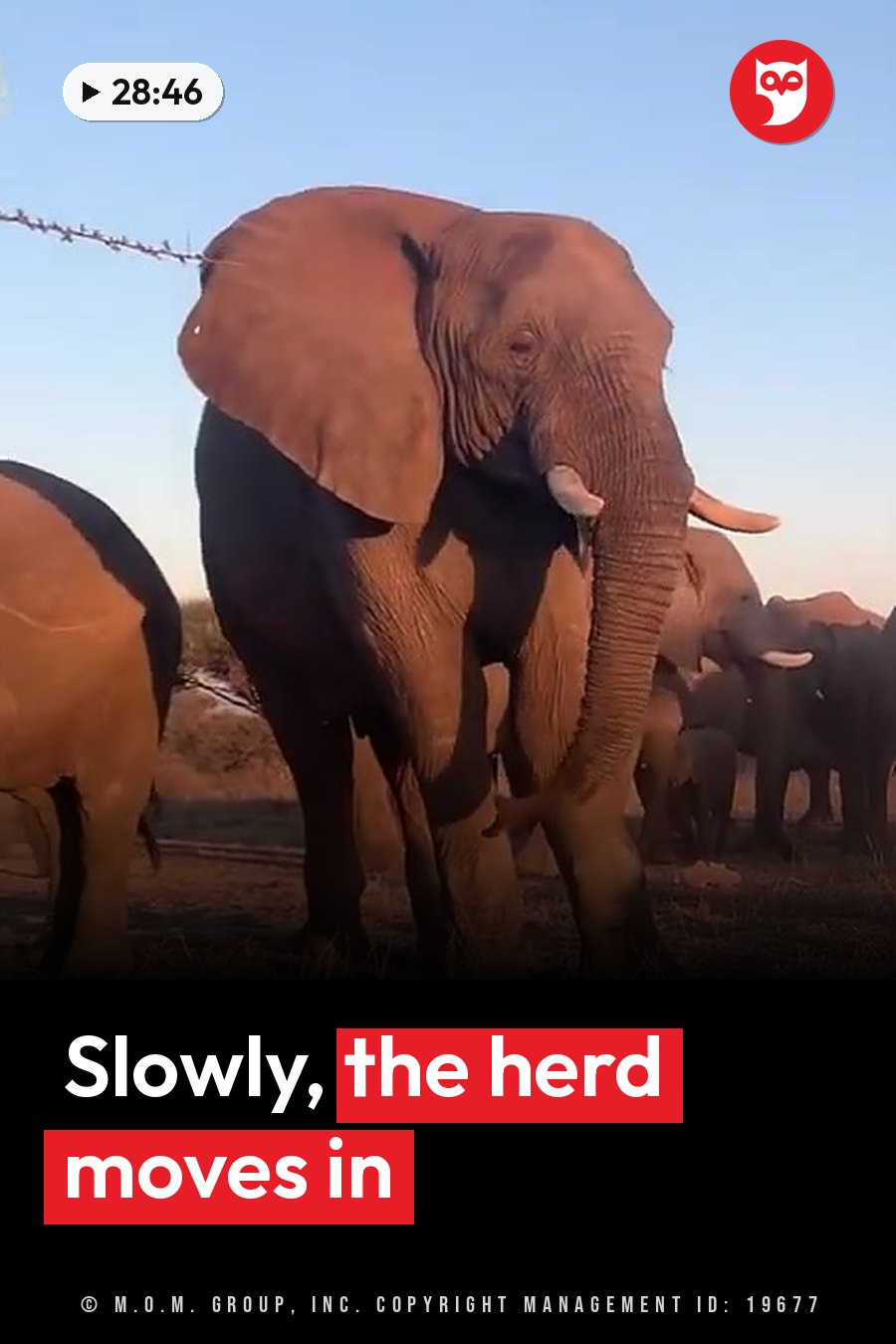
This time the something new is a set of stuffed teddy bears and toy elephants, left out where the herd will find them. The elephants are wary. They stay close together, and the youngest end up in the middle of the group, well away from the strange things in the grass.
 Save
Somopane is known as the herd's peacekeeper, the one who keeps things calm. With the teddy bears, though, he doesn't keep the peace. He tosses them away from the rest of the herd.
The others take their time. Bit by bit they walk up, reach down with their trunks and lift the toys to look them over.
 Save
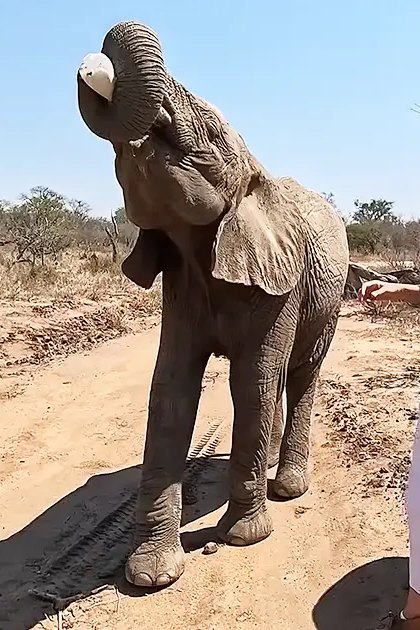
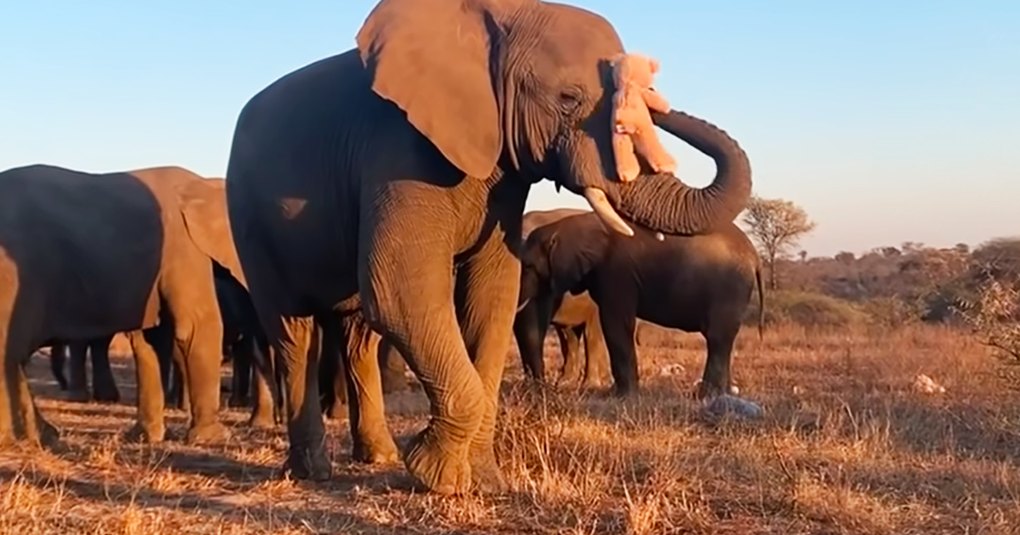
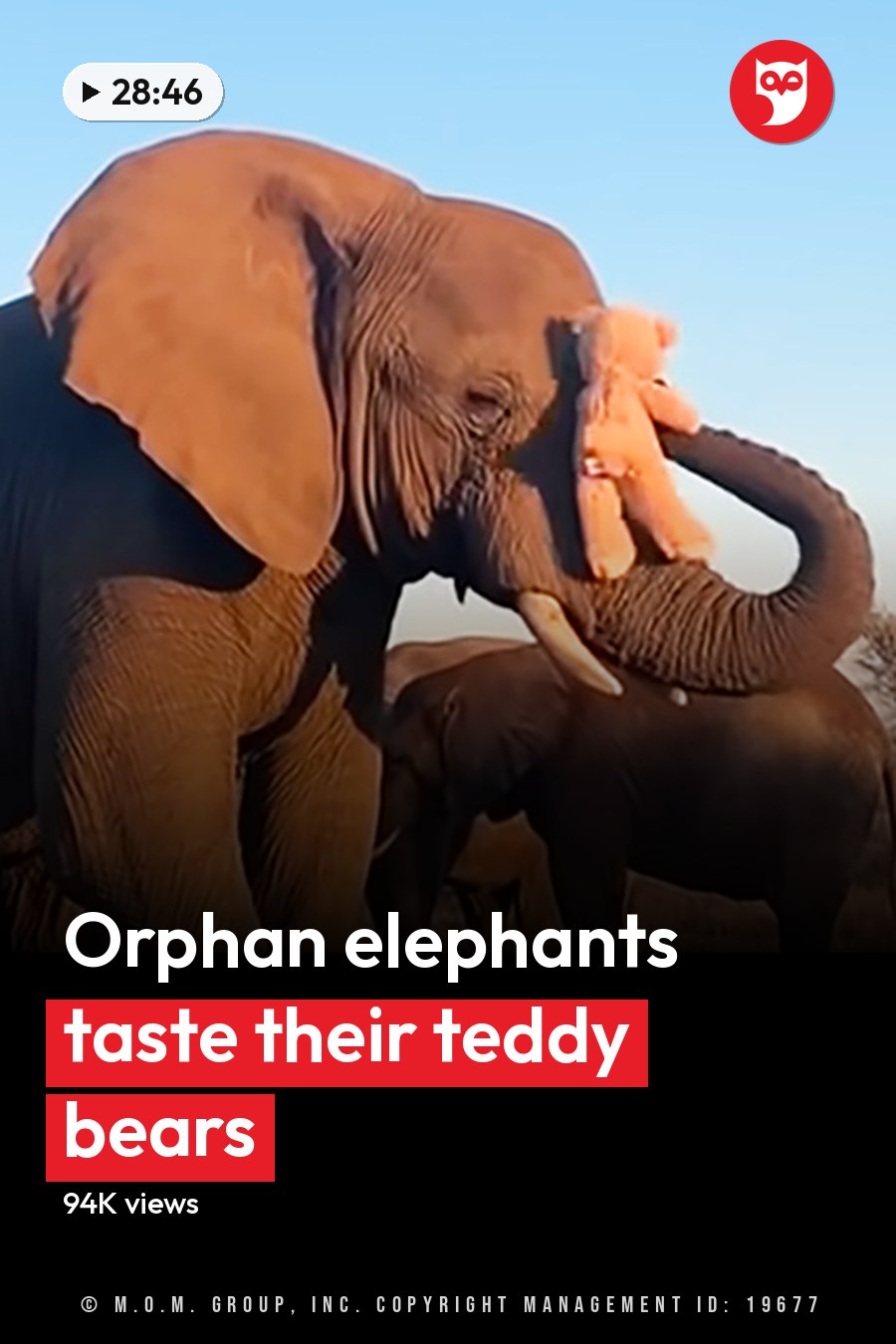
Some of them seem to like the feel. They rub the soft toys against their faces and chests, the way you might test a new sweater.
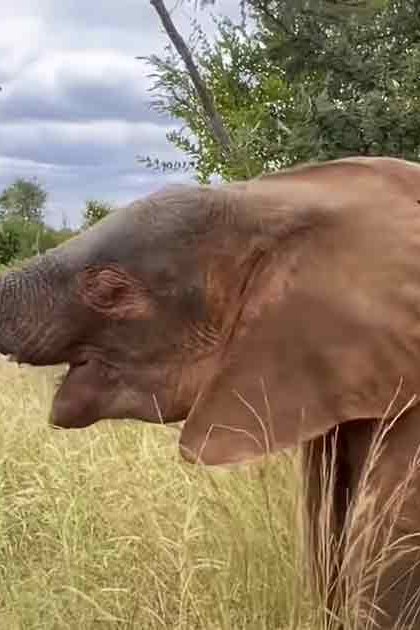
Then comes the real question, whether a teddy bear can be eaten. Several elephants put the toys in their mouths and chew. It cannot. A few swing the bears around or lob them aside and wander off to find real food.
 Save
One elephant settles things another way, standing right over a bear as if to show it who is in charge. For Chloe, each of these reactions goes into a personality profile, and that's the point. The bears are all the same. The elephants are not.