 1:25

Old presidents knew how to throw an insult
Presidents and candidates have a long history of calling each other terrible names. Some of the oldest insults are also the best written. more
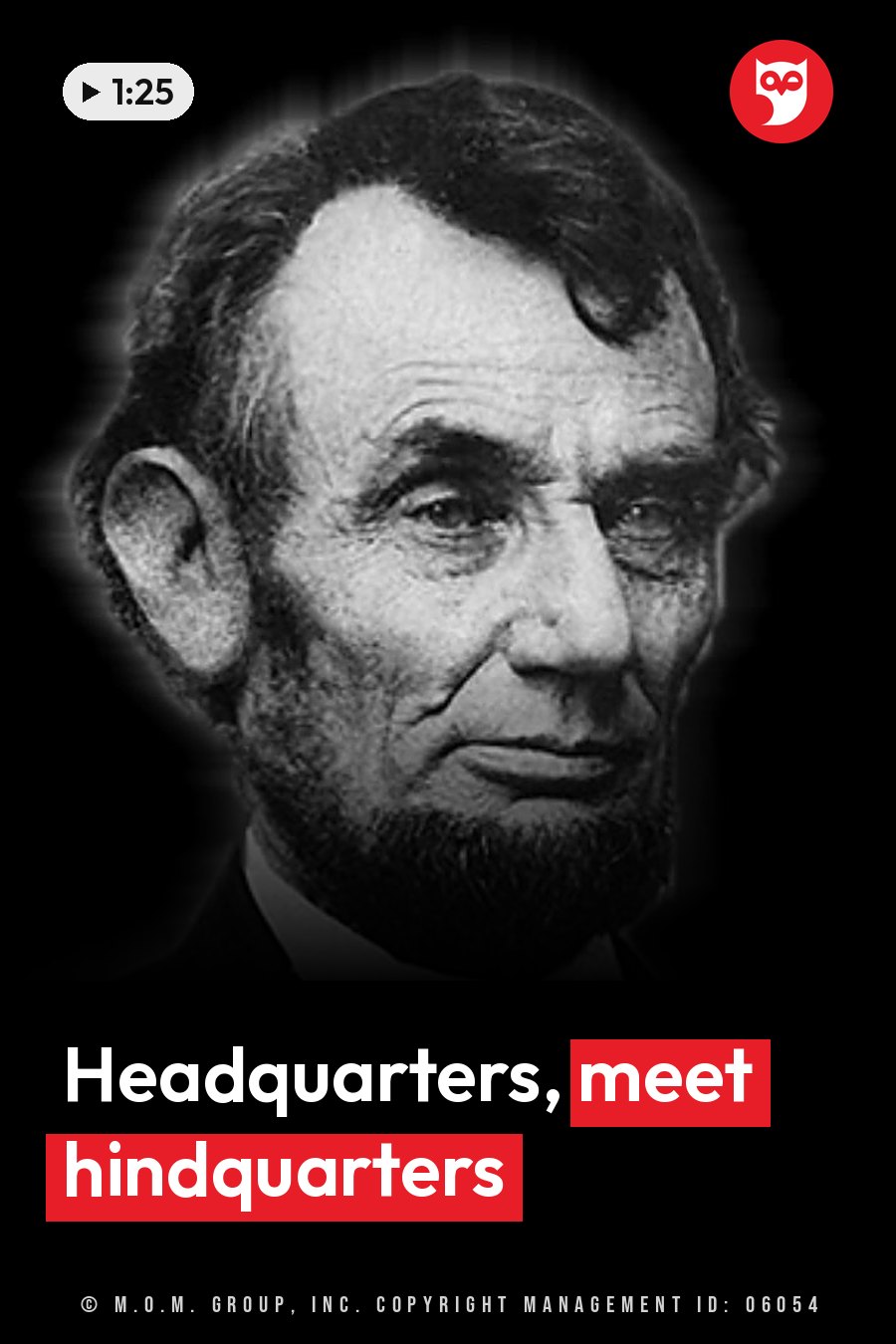
The trouble with Hooker, one line goes, is that he's “got his headquarters where his hindquarters ought to be.” The next man fares no better. He is “a coldblooded, calculating, unprincipled usurper without a virtue.”
 Save
Some of the best are one-liners. He's a nice guy, one goes, “but he played too much football with his helmet off.” Ronald Reagan doesn't dye his hair. “He's just prematurely orange.” And Garfield has shown that he is “not possessed of the backbone of an angleworm.”
Others pile it on. One man is “a non-entity with side whiskers.” Another man's whole life “has been one continued insult to good manners and to decency,” and on top of that “a slur upon the moral government of the world.”
 Save
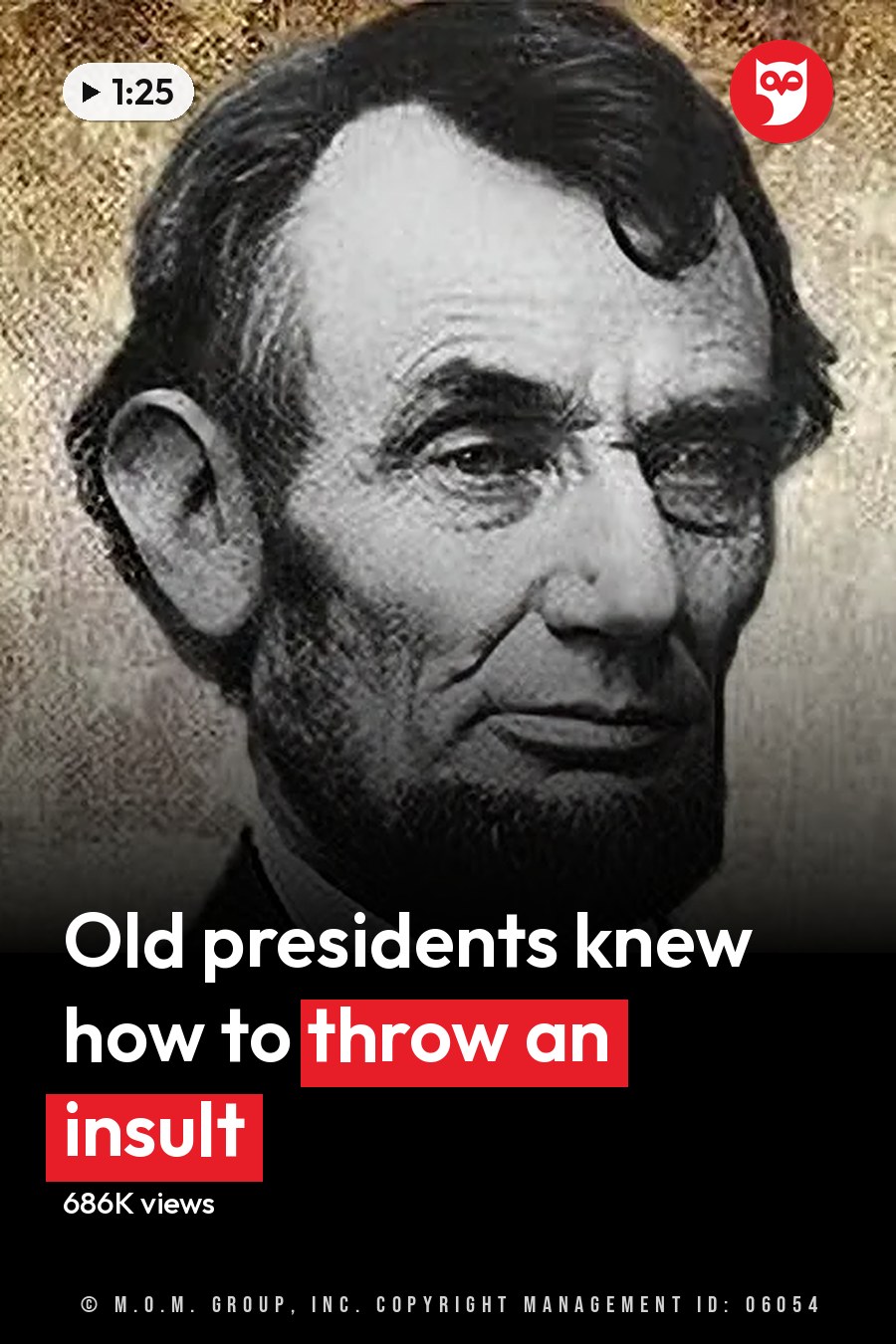
Then comes the man who “can compress the most words into the smallest ideas better than any man I have ever met.” Many viewers credit that line, and the one about Hooker, to Abraham Lincoln.
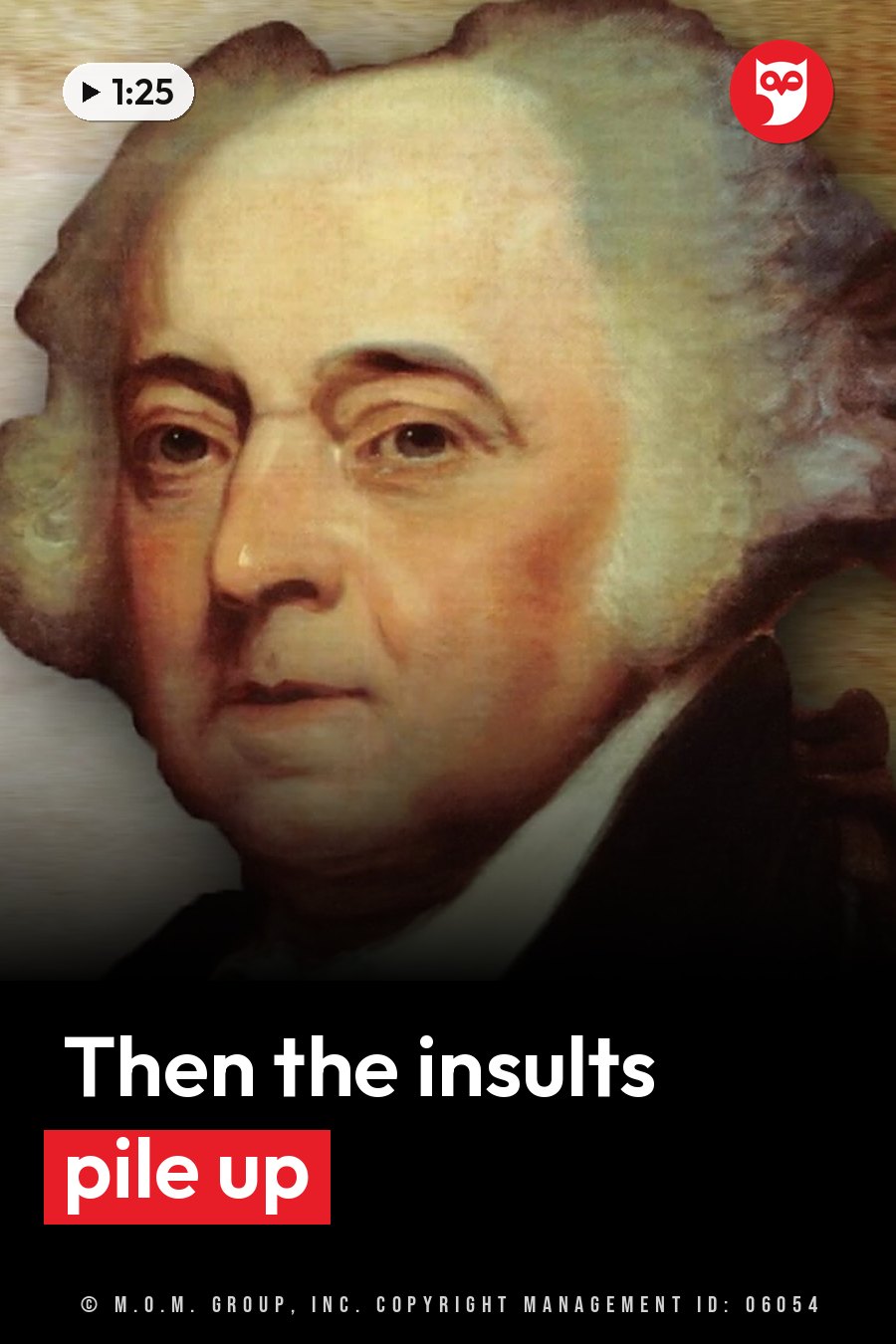
John Adams has the rudest one. He calls a man the brat of a Scottish peddler, with a ruder word in front. Then he blames “his ambition, his restlessness and all his grandiose schemes” on “a superabundance of secretions.” We will leave the end of that sentence out.
 Save
Some keep it plain. “Why, this fellow don't know any more about politics than a pig knows about Sunday.” And one man admits to only two regrets. He didn't shoot Henry Clay, and he didn't hang John C. Calhoun.
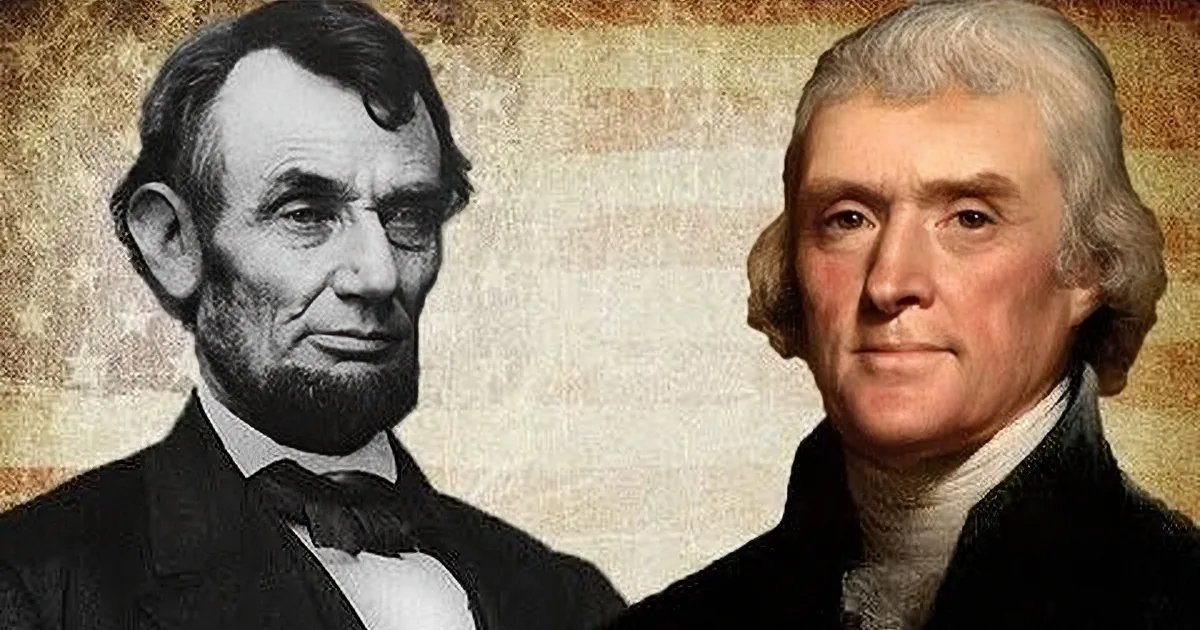
The last word goes to Thomas Jefferson, on John Adams. Adams is “a blind, bald, crippled, toothless man,” with “neither the force and fitness of a man nor the gentleness and sensibility of a woman.” After what Adams said about the peddler's brat, it's hard to feel too sorry for him.