 35:31

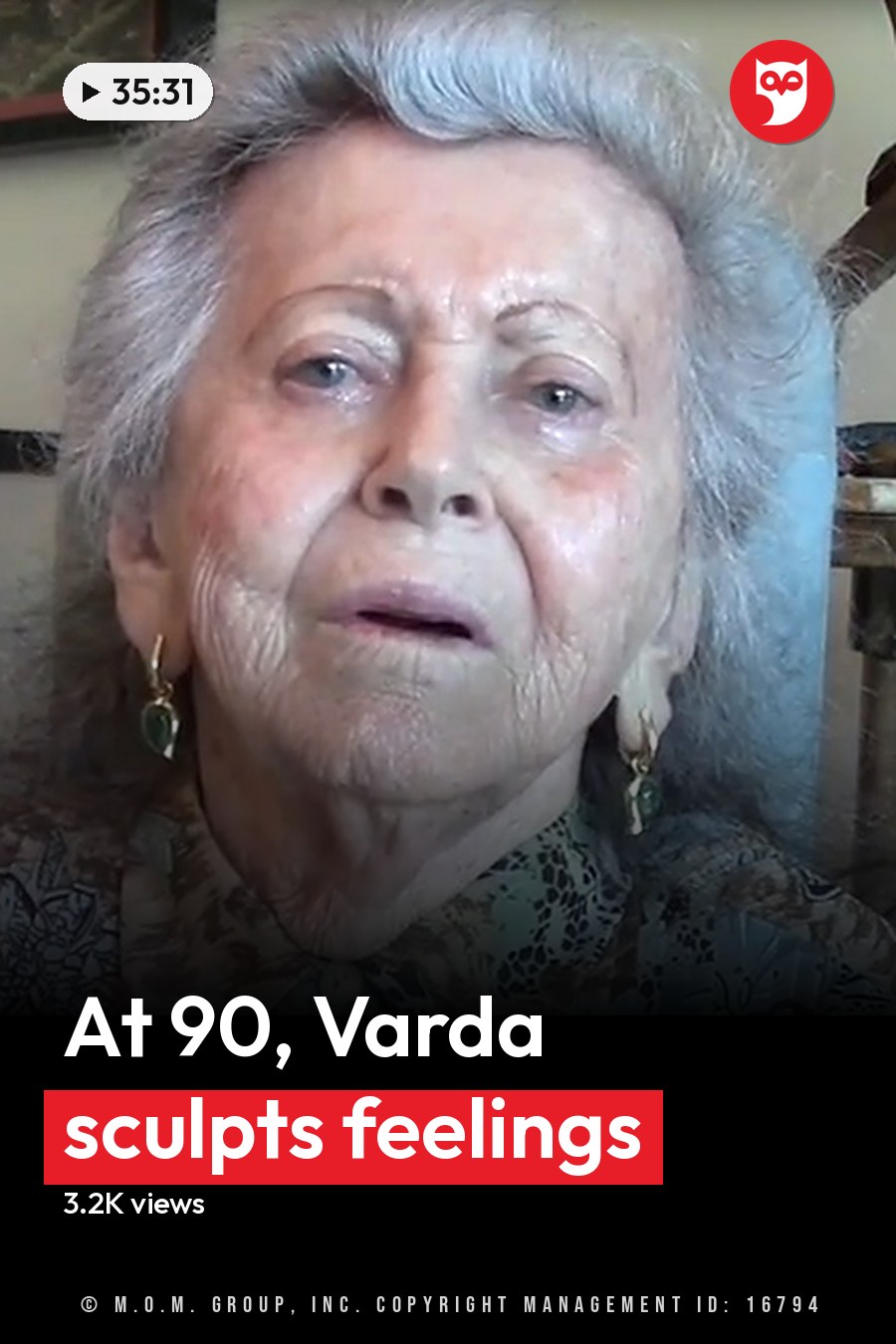
At 90, Varda sculpts feelings
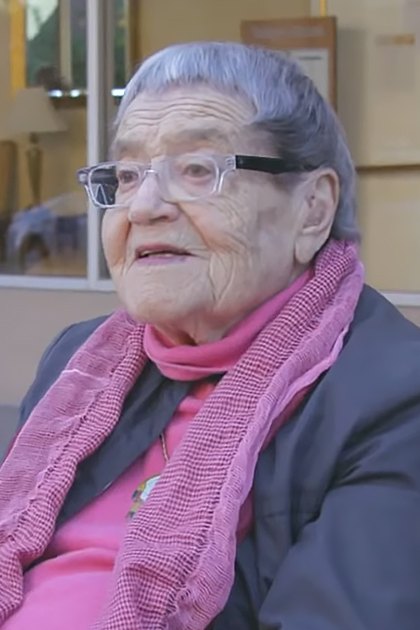
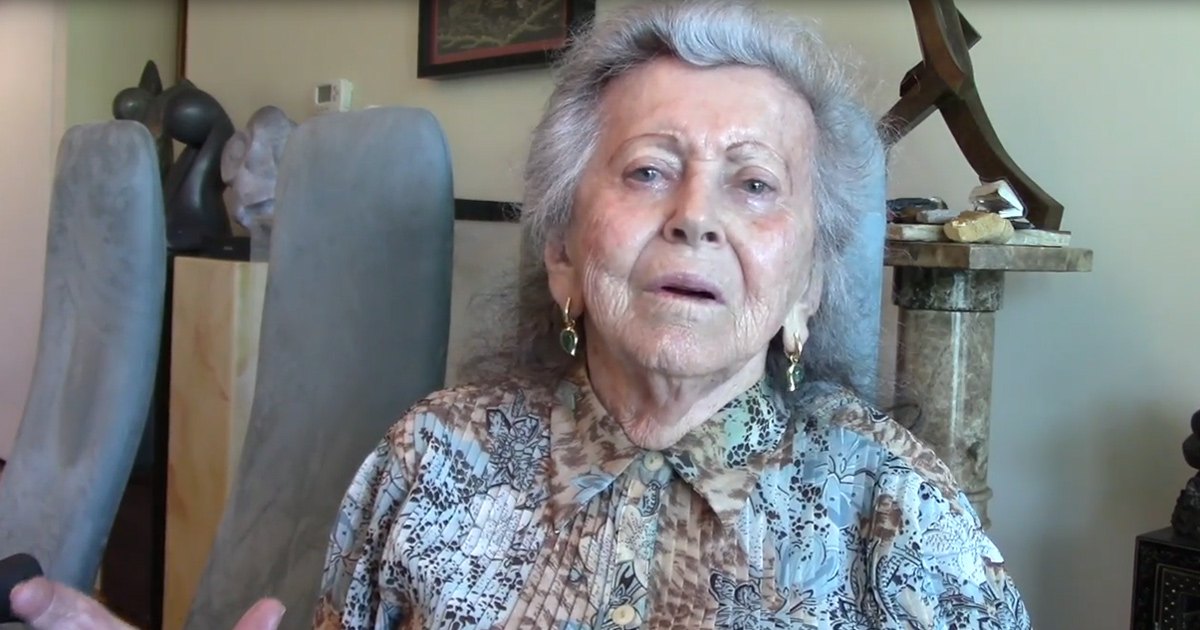
“What I try to do is either tell a story or express an emotion,” says Varda Yoran, a 90-year-old sculptor. Walk through her work with her, and you get plenty of both. more
Most of her work is about people, though not in the usual way. She leaves out faces and fine details so the feeling comes through the movement instead. She wants each figure to be anyone, in any kind of emotional state. It does not have to be a man or a woman.
Her pieces range all the way up to 15 feet, in bronze, wood, wax, stone and Plexiglas. The clear plastic can be heated and shaped in thin sheets, or carved with chisels just like stone.
One Plexiglas piece tells her own life story. She describes it as “a non-Chinese person with a Chinese background.” Part of it is carved into the front and part into the back, so you see both through the clear block, and the part in the back is there “because it's not tangible, it's a memory.”
Plexiglas has a temper. Start chiseling it, she warns, and tiny pieces fly off and come right at you. Even peeling the protective paper off a new chunk, she was very careful and still ended up with two little chips. Smoothing the whole surface down to match wasn't possible, so she turned the two little holes into butterflies.
 Save
Stone has its own surprises. She once asked a store for blue stone, and all she could see was white. The man told her it was blue, so she bought it, and it stayed white while she chiseled out the shapes. Only when she began smoothing it with sandpaper did the color start to come out.
Her sculpture of a Holocaust survivor steps across smashed stones that each mean something, from one like an open book to a cemetery stone with Hebrew lettering. He pushes forward while looking back.
She once brought a piece to her sister while it was still in clay. After a few minutes, her sister asked her to take it away. The neighbors upstairs had just lost their son in one of Israel's wars, and the figure looked exactly the way they had at the funeral. Most Holocaust art is about the people who suffered, Varda says, while hers is about “the ones who are remembering.”
A cracked stone she named Breaking Up is about friends who grow apart. The only thing she carved was the eyes, and the cracks do the rest. This was no slow fade, she says. “It's smashed.”
One piece, she says, speaks for itself. It's a dancer, and she wanted the flow and the stretch of people in motion. “I just wanted to capture the dance. That's all.”