 3:02

Cockatoo says 'time for bed' and refuses to go
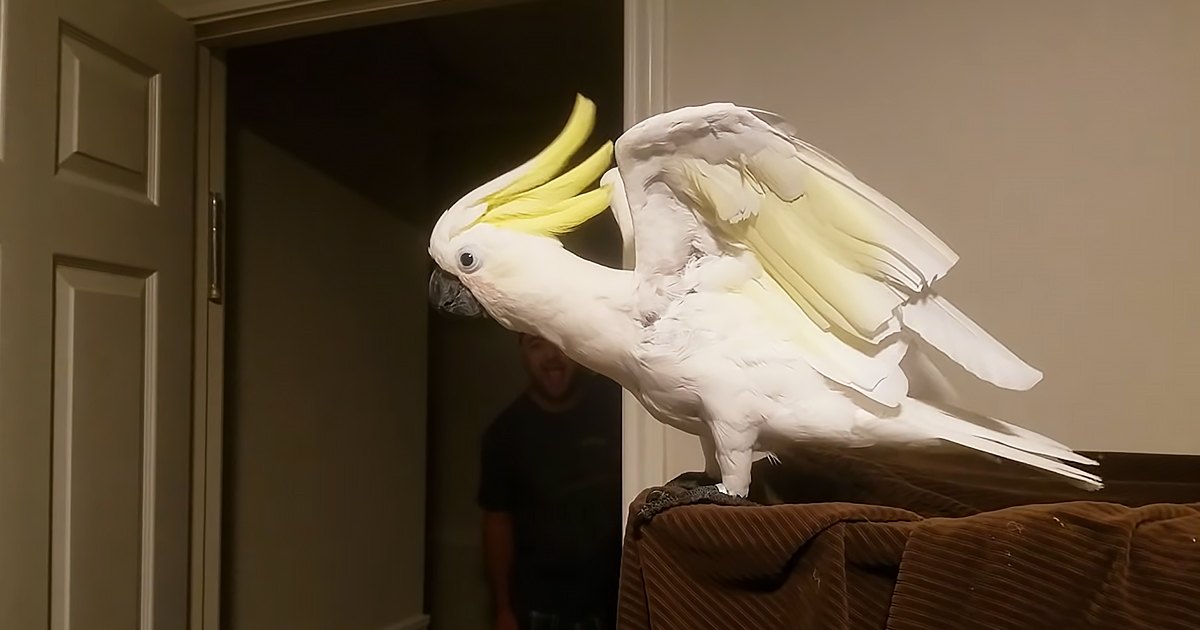
Marlene's cockatoo has learned to say 'time for bed.' He says it clearly, more than once. Going to bed is another matter. more
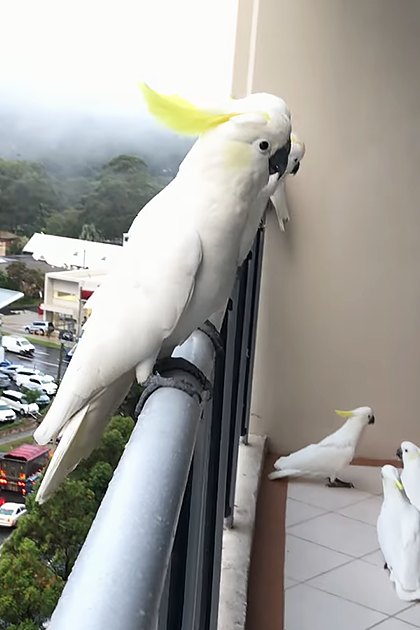
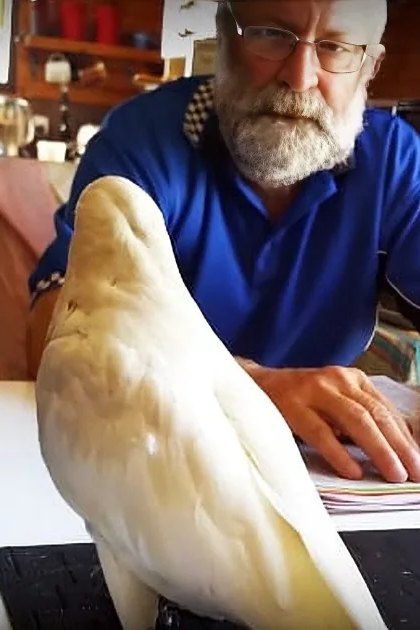
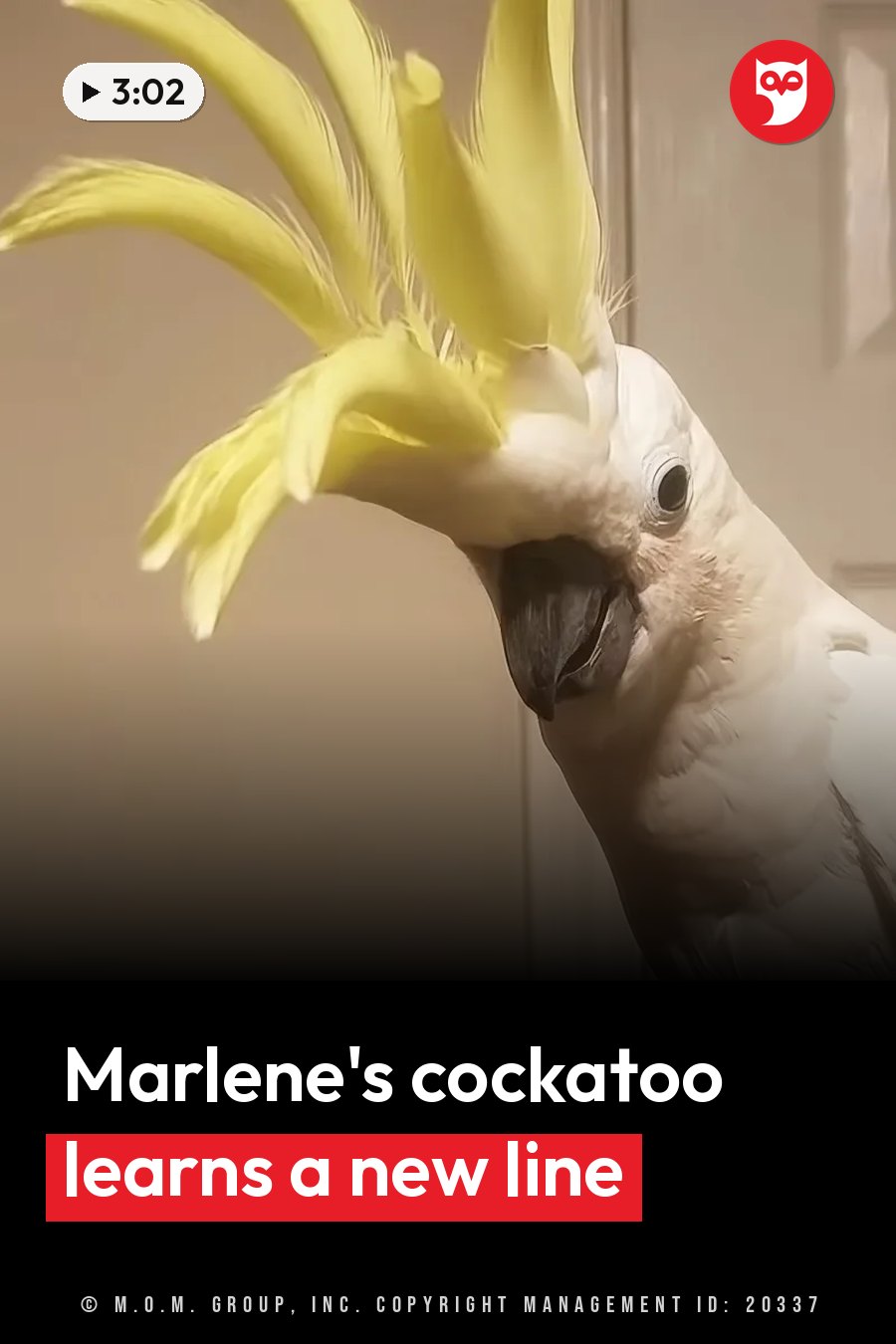
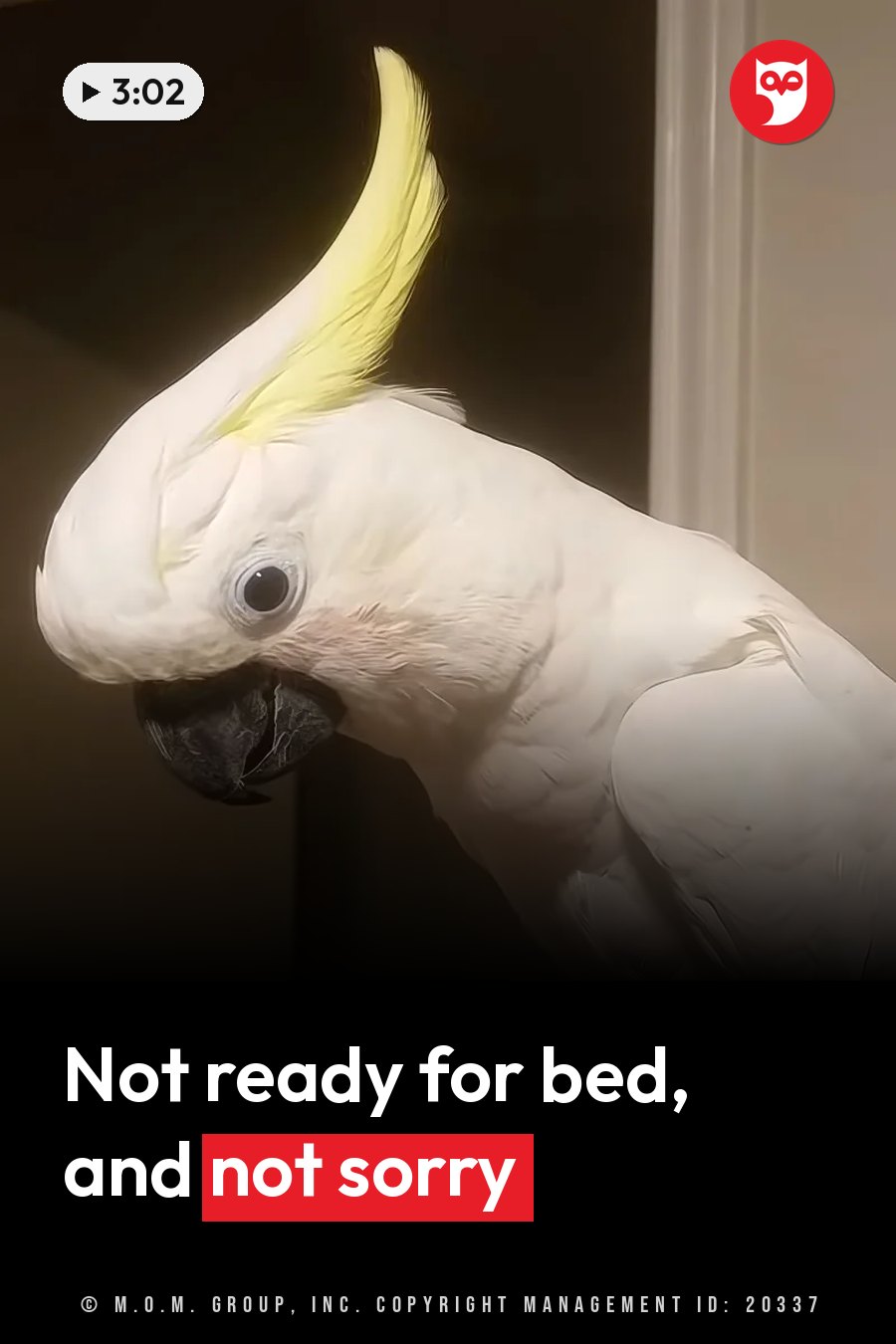
Marlene lives in Los Angeles with her family and loves parrots. She teaches other owners how to care for their birds and makes the case for letting them live outside a cage. Her sulphur-crested cockatoo, a big white bird with a sweep of yellow on his head, is the student this time. His lesson is one short sentence: 'Time for bed.'
 Save
The test comes at bedtime, when Marlene and her partner are ready to call it a day and want to see if the lesson stuck. The cockatoo would rather play. He cocks his head from side to side, walks around his cage and listens to what Marlene tells him. Settling down isn't on his list.
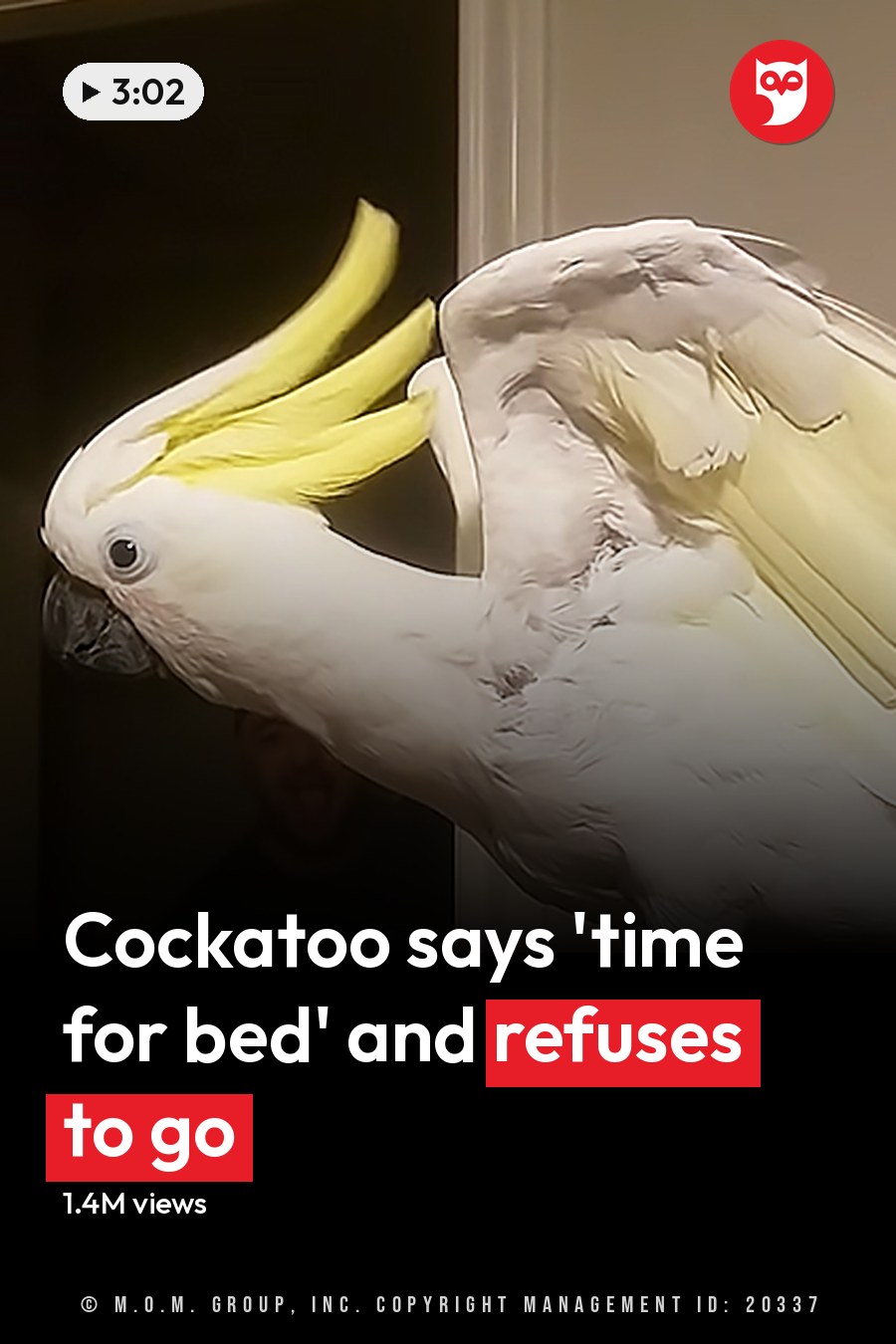
Then her partner steps out of the room, and the bird finds his voice. 'Time for bed,' he says, clear as can be. He says it again, and again, the way a small child recites a rule while breaking it. He knows the words; he has decided they apply to someone else.
 Save
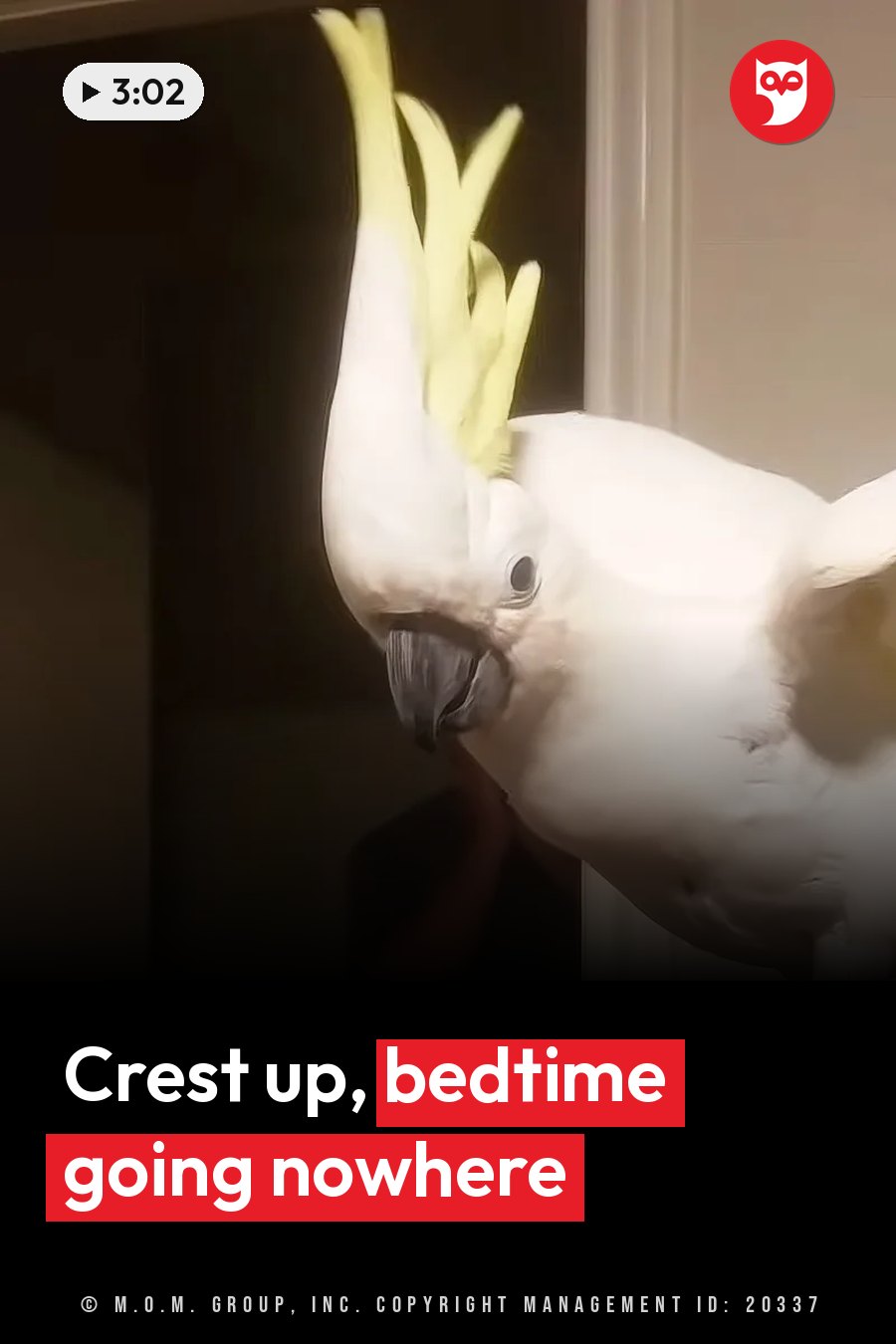
He has a louder answer, too. Now and then he lets out a screech that fills the room, the kind that makes anyone in headphones jump. His crest fans up in a spray of yellow that one admirer calls hair goals. He doesn't look or sound like a bird who is ready for sleep.
 Save
He gets petted for his trouble, so the lesson there is unclear. What strikes people most is how clearly he speaks, the whole sentence, every word. In Australia, where these cockatoos live wild, people say they turn up fifteen or twenty at a time. Picture that screech times twenty.
 Save
Marlene's work shows. The bird has more personality than most houseguests, and one very clear sentence to prove it. The humans still know it is time for everyone to rest. He'll say the words for them one more time, and that's as far as he's willing to go.