 8:35

Buster Keaton did it in one take or not at all
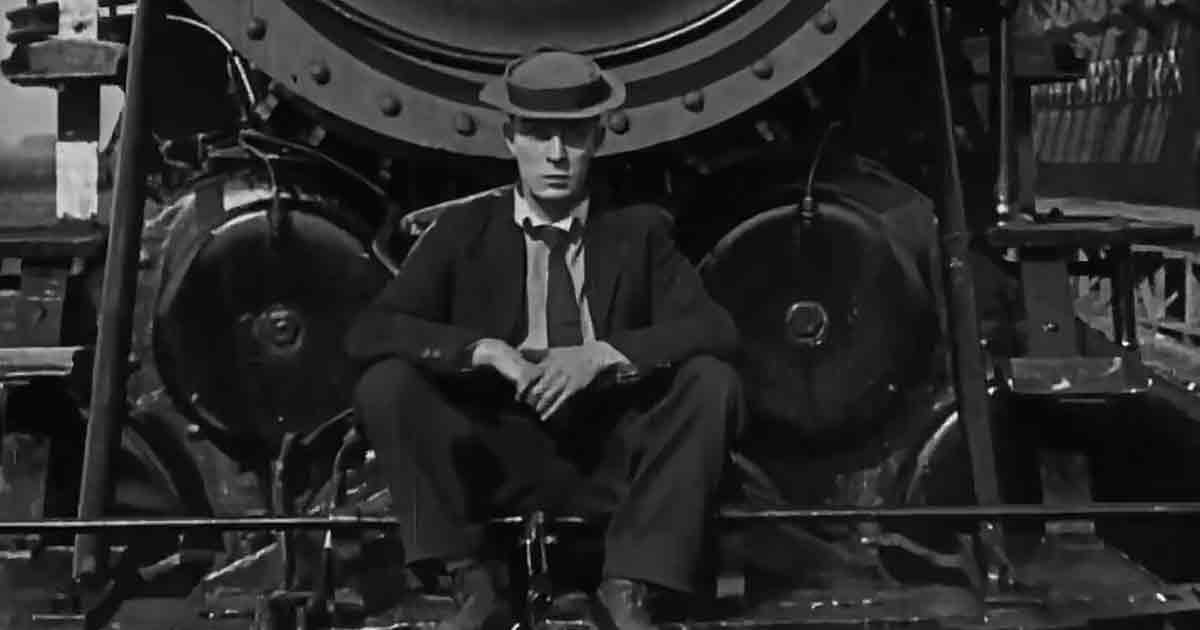
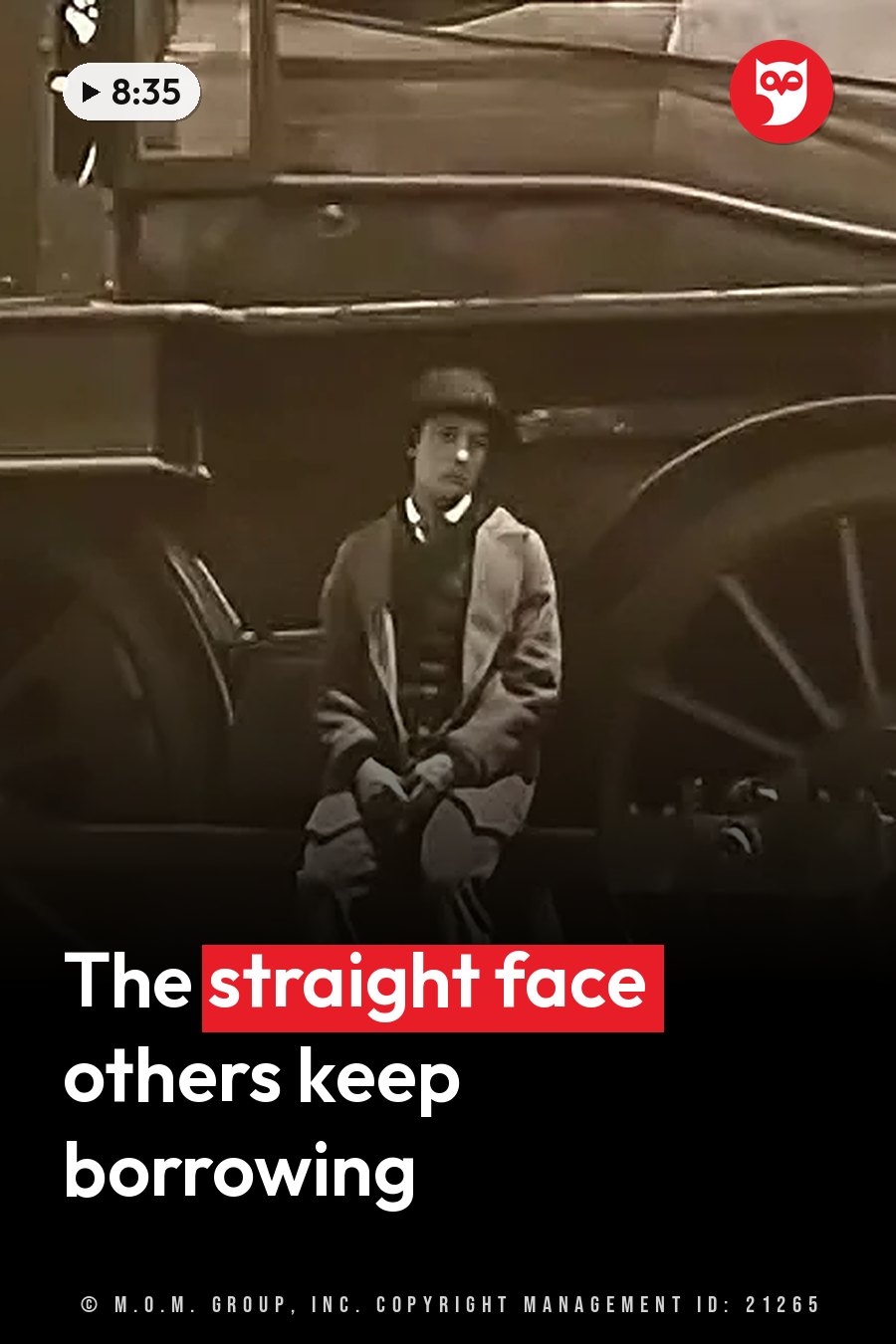
Buster Keaton's deadpan lives on in Bill Murray, his stunts in Jackie Chan, his neat framing in Wes Anderson. The rules behind all of it were few, and he kept them strictly. more
Tony, who hosts Every Frame a Painting, lays those rules out one at a time. Keaton was one of the three great silent comedians, and Tony thinks he still has plenty to teach anyone who wants to make people laugh with pictures alone.
 Save
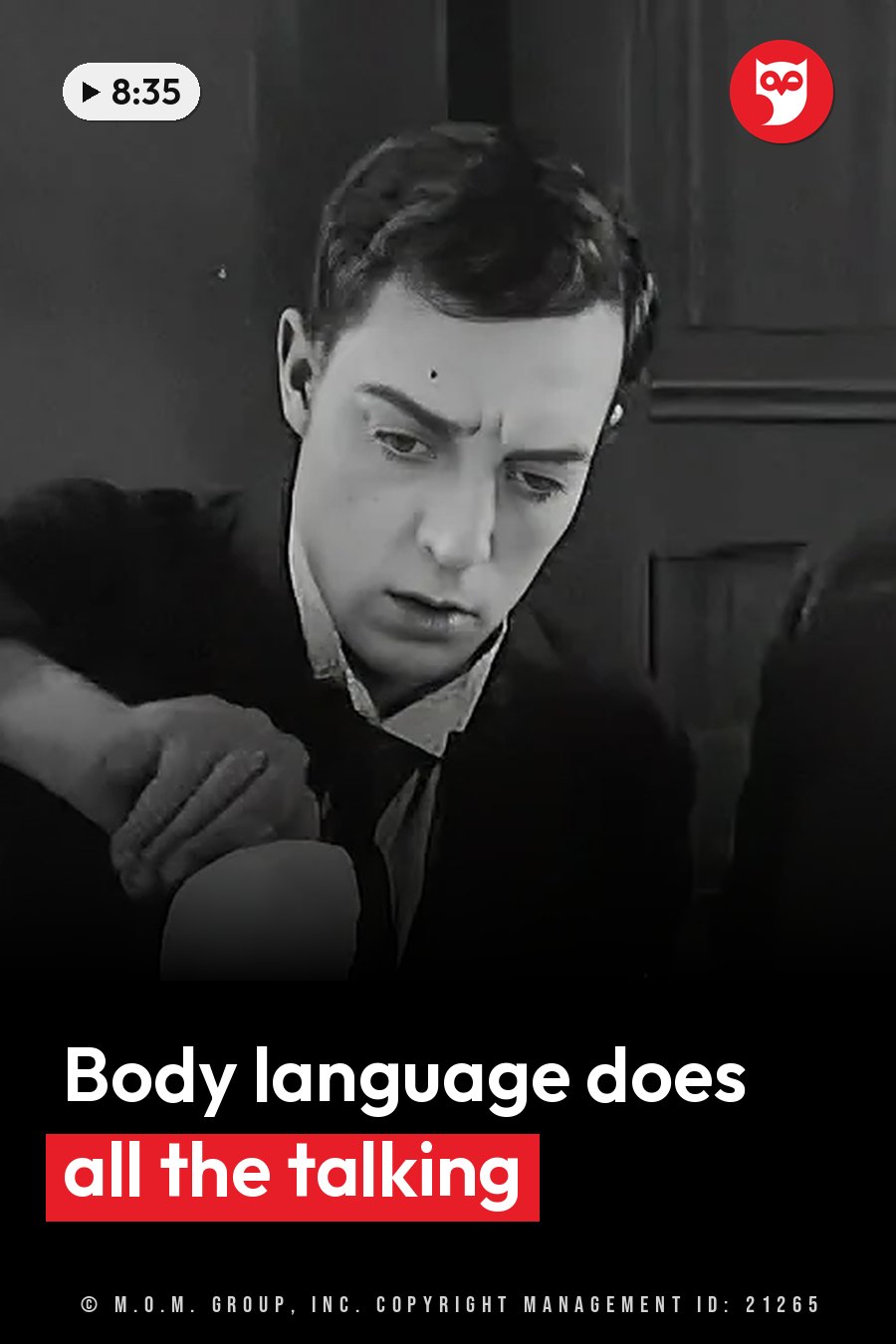
Lesson one is to tell the story through action. In Keaton's day, an average picture used about 240 title cards, the printed lines that stood in for dialogue. The most he ever used was 56. Where another director would cut to words, he found a gesture.
In one scene, two people talk at a table and you never learn what about. You don't need to, because the table and the way they hold themselves carry all of it. Keaton also believed you should never do the same thing twice, so every fall he took was a fresh chance to invent.
 Save
Next comes the camera. A visual gag tends to work from one angle, so try two placements for the same car joke. In the first, the car fills the frame and we can't see Buster clearly until he turns around. In the second, the car sits in the background. Now we catch the split second when he has no idea what is happening and we do, and our eyes go from him to the sign and back to him.
Keaton's world is flat and runs on one law. If the camera can't see it, the characters can't see it either. That lets him build jokes that make sense to the eye but not to logic, and he often set the camera back so you could see the shape of a gag, whether a circle, a triangle, a set of parallel lines or the rectangle of the frame itself.
Some of his gags come from vaudeville and play like magic tricks. Keaton called them impossible gags, or cartoon gags, and he had to stop doing them once he moved to feature pictures, because a longer story had to be believable to hold up. In their place came what he called the natural gag, the joke that grows out of the character and the spot he is in.
He also kept room to play. As a rule, he said, about half a picture was in his head before filming and the rest came as they made it. Planned jokes that didn't work were thrown out, "and then the accidental ones come." Once he was supposed to make a jump. He missed, kept the miss and built on it.
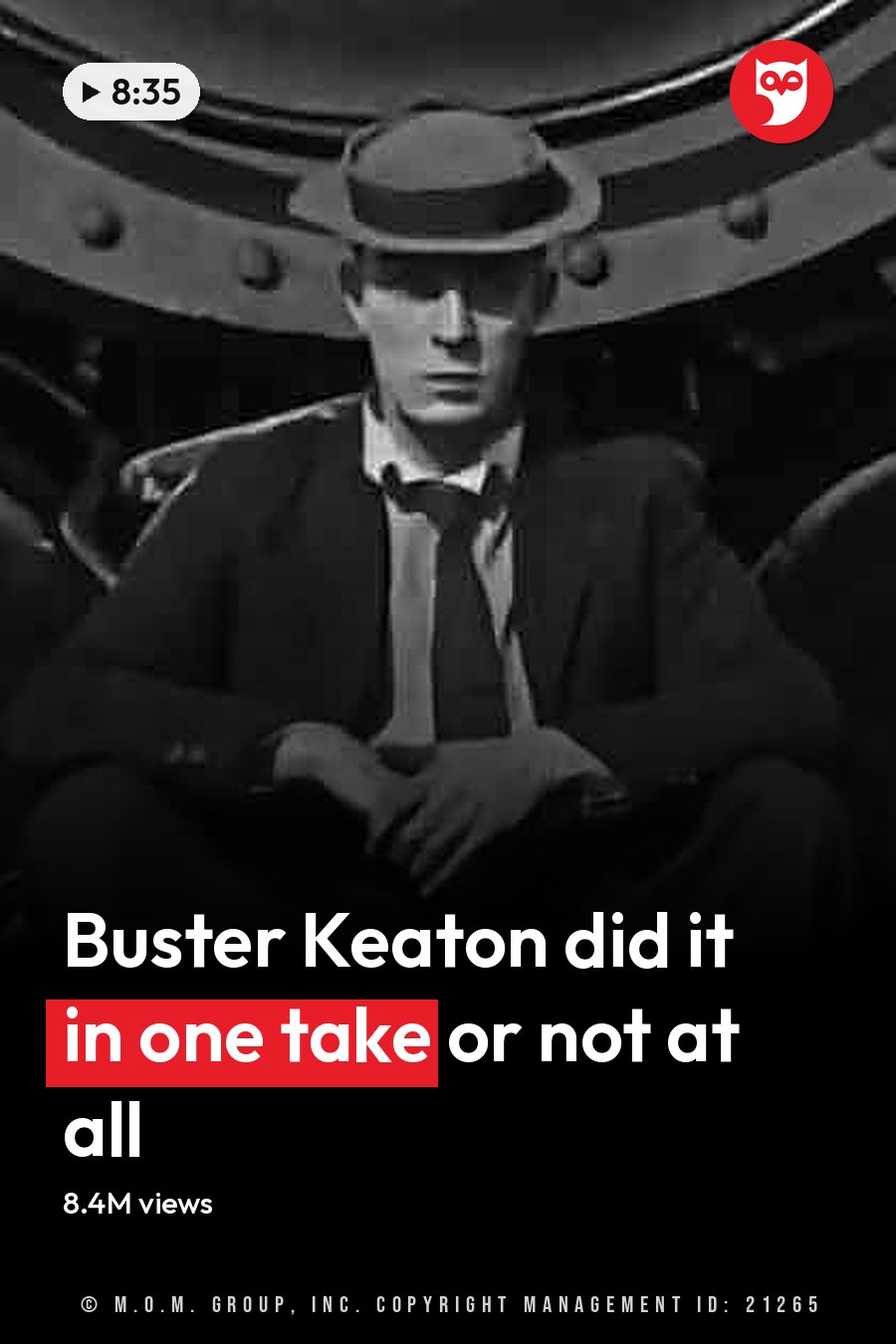
His most famous rule was the plainest one, never fake a gag. To make an audience believe it, he had to actually do it without cutting away, and he once said, "Either we get this in one shot, or we throw out the gag." There was no stunt double. That's really him, risking real danger with the same stony face fans still marvel at.
 Save
One fan used to work at a retirement home and once made a Keaton reference there. A man in his 80s asked how the fan knew about something from before their time. The answer was that Keaton came before his time too, and both of them knew him anyway.