 3:16

The swamp rabbit, a bunny built to swim
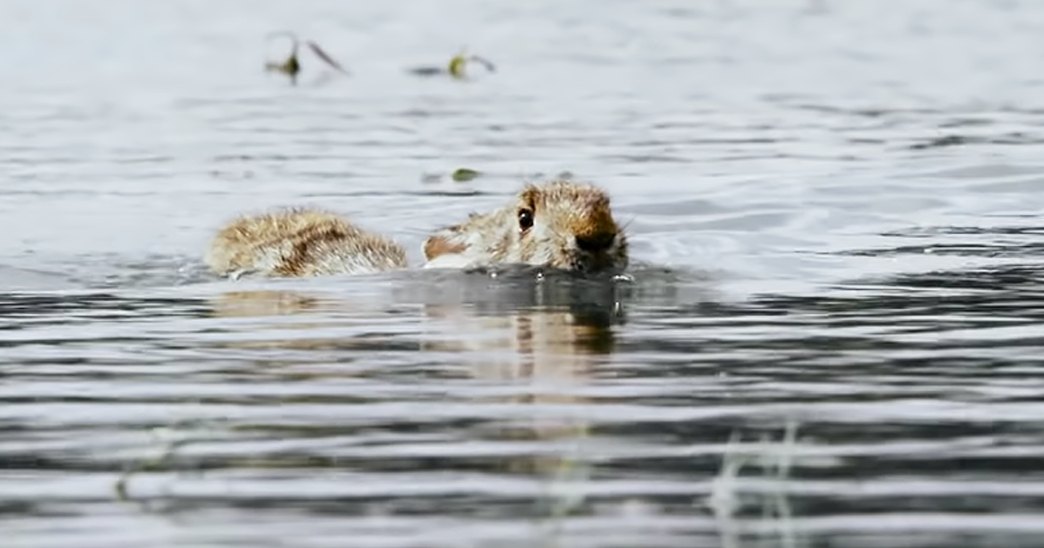
In the swamps of Missouri, where the animals are so secretive they rarely even see each other, a rabbit is swimming. more
Finding any rabbit out here is a surprise, and this is no ordinary bunny. It's a swamp rabbit, the largest cottontail on the planet, and it's right at home in the water.
The neighbors are an odd crowd. A turkey gobbles somewhere. Snakes, possums and turtles share the mud and the murky water, and the rabbits live in the brush and under the trees along the edge of it all.
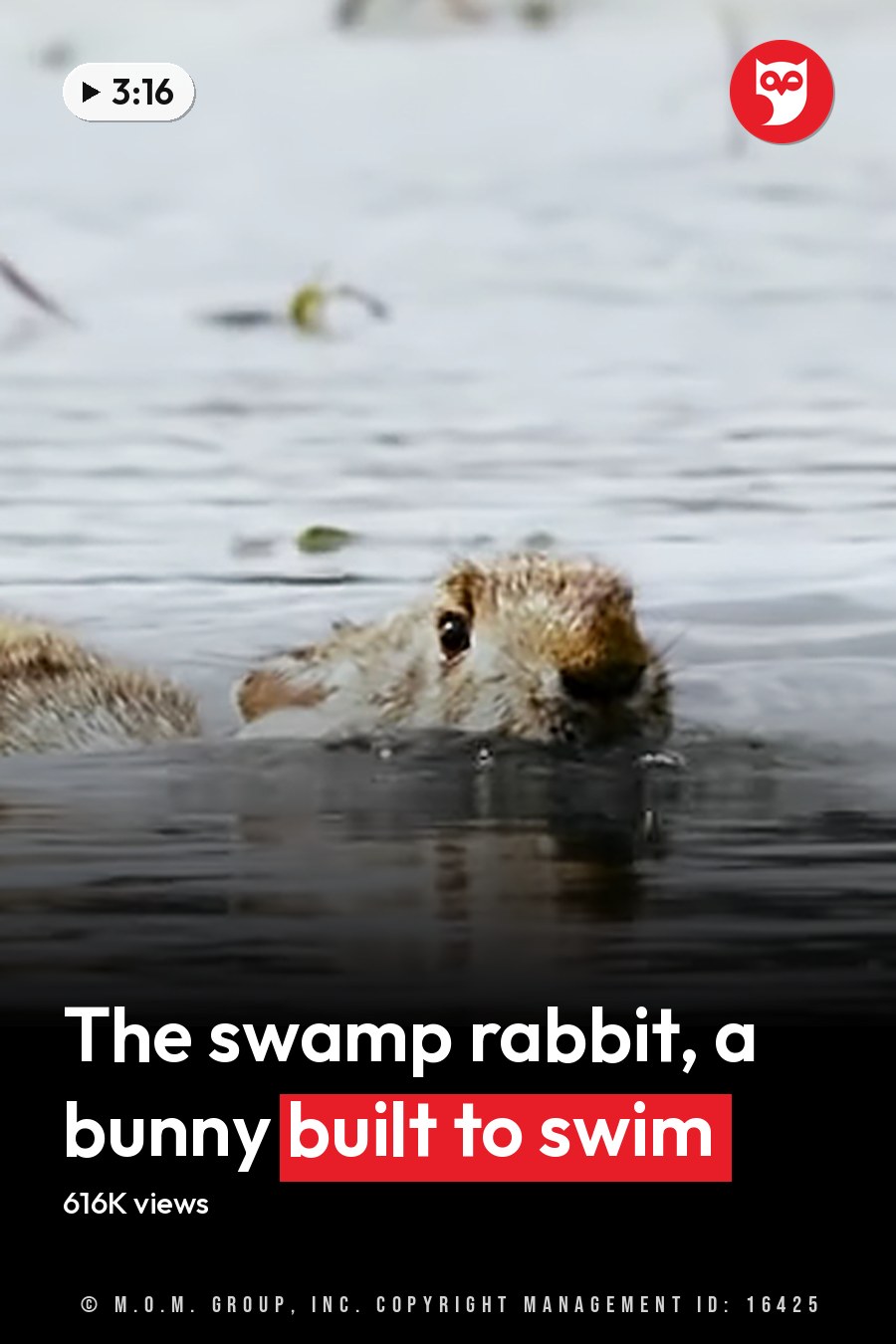
Size is the rabbit's secret. All that bulk gives it the muscle and buoyancy to swim well, and swamp rabbits use it to cross flood plains, get away from predators and go looking for food and mates. Under the surface its legs keep working, and its little face rides just above the water.
 Save
They're shy animals, and so little is known about them that this is the first time one has ever been filmed swimming. None of this means the rabbit on your couch wants a swim. Pet rabbits aren't built like these.
There's good news for them, too. Unlike other native rabbits, whose numbers are falling, swamp rabbits are faring much better. As long as there's a swamp or an open waterway, they can "bunny-paddle" their way to new ground up and down the Mississippi Valley.
On land a swamp rabbit is just as striking, leaping more like a deer than a rabbit. Strong in the water and strong on land, they're the iron men of the rabbit world. The ducks get the last word, though. Out on the water, a duckling paddles close beside its parent.